
The Carrier Mismatch Nobody Warns You About
You've spent the last two hours entering your information into comparison sites, watching premium estimates climb from $90 a month to $280, then getting the rejection email an hour later. The carriers you recognize from TV ads either won't quote SR-22 policies at all or they're quoting prices that assume you're insuring a Ferrari. The problem isn't your search technique — it's that you're shopping in the wrong carrier tier entirely.
Kansas requires SR-22 filing for most license suspensions tied to DUI, driving uninsured, or reckless driving convictions. The filing itself is a $50 one-time carrier fee in most cases, but the insurance policy behind it is where costs diverge wildly. Standard-tier carriers like Allstate, Farmers, and Hartford show up first in search results because they spend the most on ads, but most of them either don't write SR-22 policies in Kansas or they price them so high that their quote is functionally a rejection. The carriers actually competing for your business — Dairyland, The General, Bristol West, National General — rank lower in search results because they don't buy Super Bowl ads.
Compare car insurance rates in your state
Get quotes from licensed carriers — no obligation, no spam, results in minutes.
Get Your Free QuoteKansas SR-22 Filing Fee
$50
The SR-22 filing is a one-time carrier fee added to your policy, not a separate insurance product. Most Kansas carriers writing SR-22 policies charge $50 for the initial filing; some charge $25. The filing itself is cheap — the policy premium behind it is where suspension-related pricing shows up.
Kansas Department of Revenue, Division of Vehicles SR-22 carrier reporting requirements
Why Standard Carriers Reject SR-22 Filers
Insurance carriers segment their books of business into tiers: preferred (clean records, good credit, low claims), standard (average risk), and non-standard (suspensions, DUIs, multiple violations). Each tier uses different underwriting models and different rate structures. When you request an SR-22 quote from a standard-tier carrier, their underwriting system flags the SR-22 requirement as a suspension indicator and either auto-declines the quote or routes it to a non-standard subsidiary that doesn't show up under the parent brand name.
State Farm writes SR-22 policies in Kansas, but they price them aggressively high to discourage SR-22 filers from staying on their standard book. Geico and Progressive write SR-22 in Kansas and price more competitively, but their quotes still run 40–60% higher than their clean-record pricing because the SR-22 filing signals underwriting risk. The non-standard carriers — Dairyland, The General, Bristol West — build their entire book around suspended drivers and violation filers, so their base rates start lower and their SR-22 surcharge is smaller.
This tier mismatch explains why you're seeing $280/month quotes from recognizable brands and $140/month quotes from carriers you've never heard of. The recognizable brand is pricing you out. The unfamiliar carrier is actually competing for your business.
The carriers advertising the lowest rates for clean-record drivers are not the carriers offering the lowest rates for SR-22 filers — the competitive set is completely different.
Which Carriers Actually Write Kansas SR-22 Policies
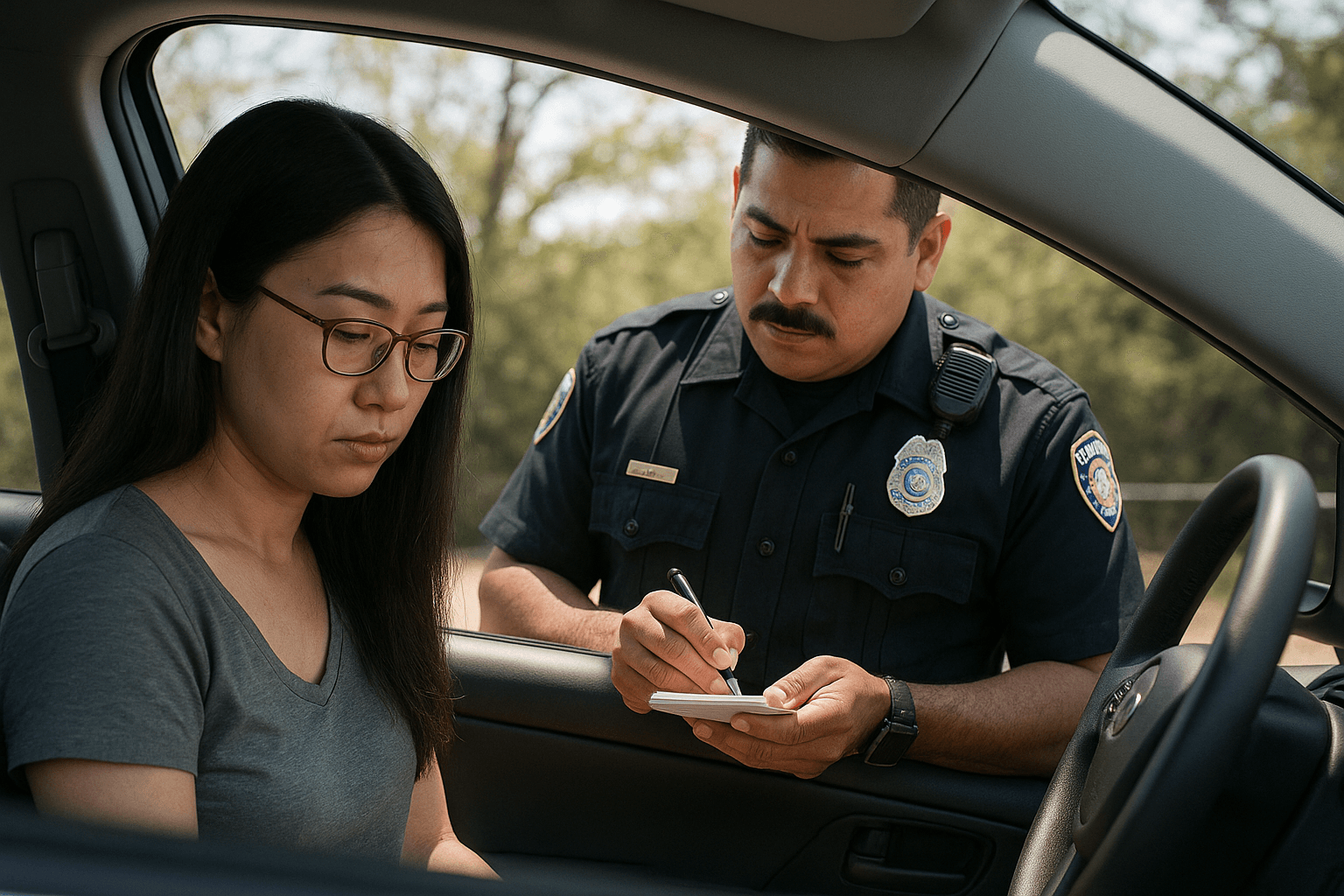
Dairyland, The General, Bristol West, and National General are the four non-standard carriers writing the majority of Kansas SR-22 policies. All four allow online quotes, all four write non-owner SR-22 policies for suspended drivers without a vehicle, and all four specialize in post-DUI and post-suspension coverage. Dairyland operates in 38 states and has built its book around high-risk drivers since 1953. The General is owned by American Family but operates as a separate non-standard brand. Bristol West is a Farmers subsidiary that writes only non-standard policies. National General was acquired by Allstate in 2021 but still operates independently for non-standard business.
Geico, Progressive, and State Farm all write SR-22 in Kansas, but their pricing reflects standard-tier underwriting with a suspension surcharge layered on top. You'll get a quote, but it will typically run 30–50% higher than the non-standard carriers. These three make sense if you're reinstating after a short suspension and expect to move back to standard-tier pricing within a year. If your SR-22 filing period is three years (Kansas requires one year for most license suspension triggers, but some DUI cases require longer compliance periods), starting with a non-standard carrier saves money over the full term.
Related Articles






Non-Owner SR-22 Policies Cost Half as Much
If you don't currently own a vehicle — your car was totaled in the incident that caused the suspension, you sold it because you couldn't drive, or you're relying on family members for transportation — you need a non-owner SR-22 policy, not a standard auto policy. A non-owner policy provides liability coverage when you drive a vehicle you don't own, and it satisfies Kansas's SR-22 filing requirement for reinstatement even if you're not actively driving during the suspension period.
Non-owner SR-22 policies in Kansas typically cost $40–$80 per month, roughly half the cost of a standard SR-22 policy on an owned vehicle. The premium is lower because the carrier isn't insuring a specific vehicle — just your liability exposure when you occasionally drive. Dairyland, The General, Geico, Progressive, and USAA all write non-owner SR-22 policies in Kansas. Some carriers require you to call rather than quoting online, but the policy itself is standard across the industry.
Kansas does not require you to own a vehicle to reinstate your license, and the Division of Vehicles does not distinguish between owner and non-owner SR-22 filings when processing reinstatement paperwork. The SR-22 filing confirms you carry continuous liability coverage — the type of policy is irrelevant to the state. If you plan to buy a vehicle later, you'll need to switch to a standard policy and refile the SR-22 with the new carrier, but that switch doesn't reset your filing period or trigger additional reinstatement fees.
Kansas SR-22 Filing Period
1 year
Kansas requires SR-22 filing for one year after reinstatement for most license suspension triggers. DUI cases and some repeat violations may require longer filing periods set by the court. Your SR-22 period starts the day your carrier files the SR-22 with the Division of Vehicles, not the day of conviction or suspension.
Kansas Department of Revenue suspension reinstatement requirements
How to Compare Carriers When Comparison Tools Hide Non-Standard Options
Most online comparison tools prioritize standard-tier carriers because those carriers pay higher referral commissions. When you enter SR-22 as a coverage requirement, the tool either filters out non-standard carriers entirely or ranks them below standard carriers even when the non-standard quote is $100/month cheaper. This ranking bias wastes your time and costs you money if you stop at the first three quotes.
The faster path: quote Dairyland, The General, and Bristol West directly on their own websites, then quote Geico and Progressive for comparison. All five allow online SR-22 quotes for Kansas drivers. If you need a non-owner policy, call Dairyland and The General directly — their online quote tools sometimes require a phone call for non-owner SR-22 policies even though the product is standard. You'll have five quotes in under an hour, and you'll see the actual competitive range instead of the filtered set a comparison tool shows you.
What Happens If You Let Your SR-22 Policy Lapse
Kansas uses an electronic insurance verification system where your carrier reports policy cancellations directly to the Division of Vehicles. If your SR-22 policy lapses for any reason — you miss a payment, you cancel without replacing coverage, or you switch carriers but the new carrier doesn't file the SR-22 before the old one cancels — the Division of Vehicles receives a cancellation notice within days and suspends your license again immediately. There is no grace period.
Reinstatement after an SR-22 lapse requires paying a new $59 reinstatement fee, refiling SR-22 with a new or reinstated carrier, and in some cases restarting your filing period from zero depending on how long the lapse lasted. Kansas does not automatically extend your original SR-22 period when you lapse — the Division of Vehicles evaluates each case individually. A one-week lapse usually does not reset the clock; a six-month lapse almost always does. Switching carriers mid-period is fine as long as the new SR-22 is filed before the old one cancels. Most carriers will coordinate the timing if you tell them you're switching from another SR-22 policy, but you need to verify the new filing is on record before canceling the old policy.