
Two Suspensions for One Conviction
You received a second DUI conviction in Kansas and discovered your license is suspended on two separate tracks: the Kansas Department of Revenue imposed a one-year administrative suspension the day of your arrest under K.S.A. 8-1002, and the criminal court added its own judicial suspension as part of sentencing. Both suspensions run concurrently. Both require separate reinstatement processes. Both demand SR-22 proof of insurance before you can drive legally again.
The administrative suspension costs $200 to reinstate through KDOR's Driver Control Bureau. The judicial suspension requires satisfying court-ordered conditions—typically DUI education completion, victim impact panel attendance, and ignition interlock device installation—before the court will lift its hold. You cannot reinstate until both tracks are resolved. The SR-22 filing bridges both: KDOR and the court both verify your SR-22 is active before releasing your driving privilege.
Compare car insurance rates in your state
Get quotes from licensed carriers — no obligation, no spam, results in minutes.
Get Your Free QuoteKansas Second-Offense ALS Period
1 year
Kansas imposes a one-year hard administrative license suspension for second DUI under K.S.A. 8-1002, meaning no restricted driving privileges during the first 365 days. The judicial suspension runs concurrently but may extend beyond one year depending on sentencing terms.
K.S.A. 8-1002 (administrative license suspension statute)
Why Standard Carriers Will Not Write You
Standard-tier carriers—State Farm, Allstate, Progressive's standard book—classify second DUI as unacceptable risk. Their underwriting guidelines exclude applicants with multiple alcohol-related convictions within five years. You will not receive a quote. You will not receive a declination letter. The online quoting tools simply return no results.
Non-standard carriers exist specifically for drivers in your position. Geico, Progressive's non-standard division, The General, Bristol West, Dairyland, and National General all write SR-22 policies for second-offense DUI in Kansas. These carriers price risk differently: they accept your conviction history and price the policy to match their expected claim frequency. Your premium will be significantly higher than a clean-record driver's, but you will receive a bindable quote.
The pricing gap between standard and non-standard is not negotiable through better credit, bundling, or defensive driving courses. Non-standard premiums reflect actuarial loss ratios specific to high-risk pools. The only variable you control is which non-standard carrier you choose. Rate variation between non-standard carriers writing Kansas can exceed 40% for identical coverage. Comparison is the cost-reduction mechanism available to you.
Non-standard carriers writing second-DUI profiles in Kansas vary premiums by more than 40% for identical liability limits—the cheapest option is carrier-specific to your exact ZIP code and conviction date.
Kansas SR-22 Filing Mechanics

Your carrier files SR-22 the day you bind the policy. KDOR receives electronic notification within 24 hours. The filing itself costs a one-time carrier-set fee, typically paid at policy inception. Kansas requires SR-22 maintenance for one year from reinstatement date for insurance-related violations; DUI-related suspensions extend the requirement to three years per KDOR policy. The period starts when your license is reinstated, not when you file SR-22 during suspension.
If your policy lapses—missed payment, cancellation, non-renewal—your carrier electronically notifies KDOR within 24 hours. KDOR immediately re-suspends your license. You must purchase new coverage, file new SR-22, pay a new reinstatement fee, and restart the SR-22 clock. Lapse consequences are automatic and non-negotiable. Setting up autopay and maintaining six months of premium buffer eliminates lapse risk.
Related Articles


Non-Owner SR-22 If You Sold Your Vehicle
Many second-DUI drivers no longer own a vehicle—sold to pay fines, repossessed during incarceration, or voluntarily surrendered to avoid insurance costs during suspension. Kansas allows non-owner SR-22 policies: liability-only coverage that follows you as a driver rather than insuring a specific vehicle. Non-owner policies meet KDOR's SR-22 filing requirement for reinstatement even when you do not own a car.
Non-owner SR-22 premiums are lower than standard SR-22 policies because the carrier assumes you drive infrequently and in borrowed vehicles. Geico, Progressive, Dairyland, The General, and USAA all write non-owner SR-22 in Kansas. If you later purchase a vehicle, you must convert the non-owner policy to a standard policy insuring the new vehicle and re-file SR-22 under the new policy. KDOR requires continuous SR-22; switching policies without filing creates a lapse even if both policies were active on the same day.
Non-owner coverage does not extend to vehicles you own, vehicles registered in your name, or vehicles available for your regular use. If your spouse owns a vehicle you drive regularly, you need to be listed on their policy as a rated driver, and their carrier must file SR-22 on your behalf. Non-owner policies are for genuinely vehicle-less drivers only.
Kansas DUI Reinstatement Fee
$200
Kansas charges a $200 reinstatement fee for DUI-related administrative suspensions, paid to KDOR Driver Control Bureau before your license is restored. This fee is separate from court fines, SR-22 filing fees, ignition interlock costs, and DUI education program fees. Payment must clear before KDOR processes reinstatement.
Kansas Department of Revenue, Driver Control Bureau
Ignition Interlock Adds Monthly Costs
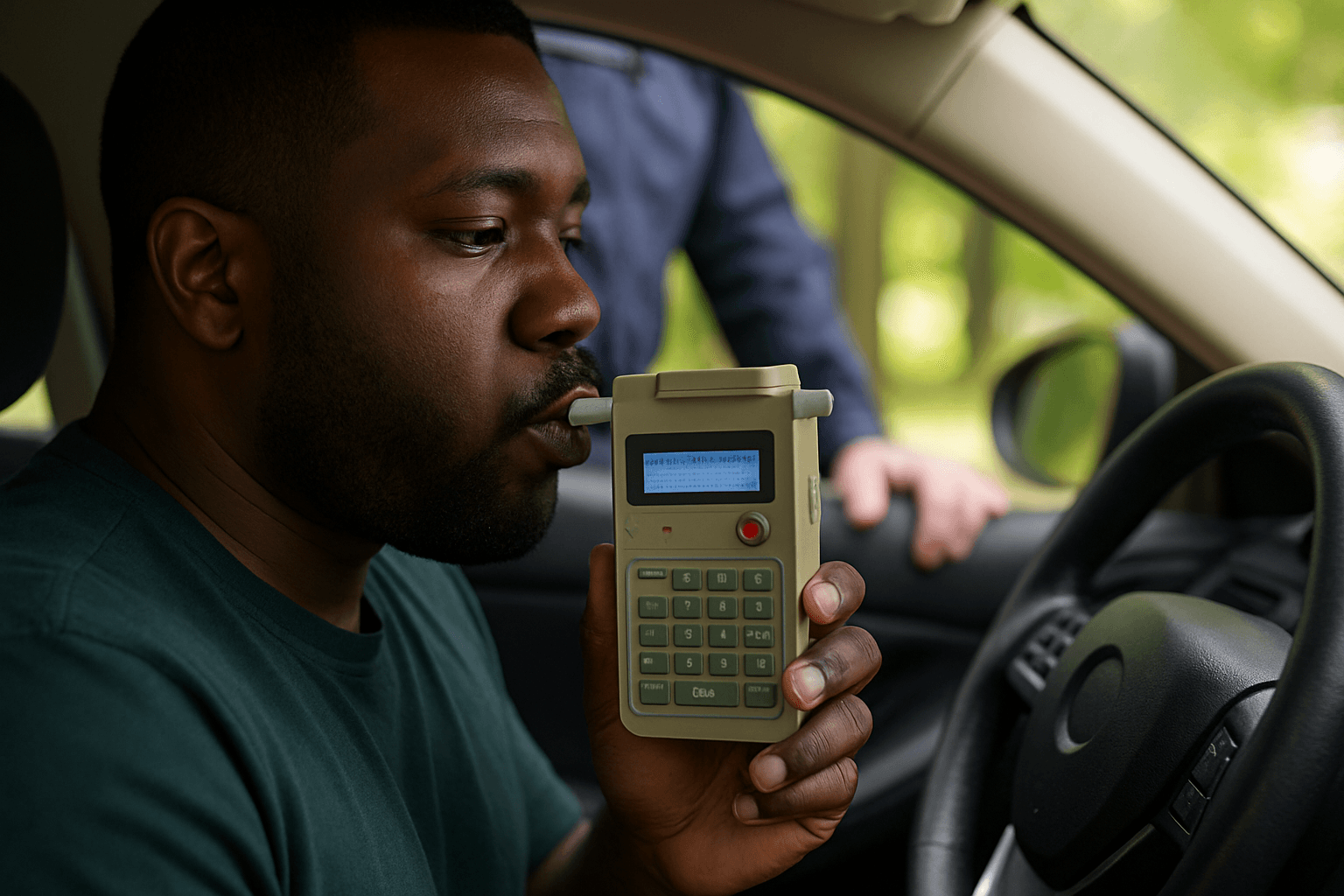
Kansas requires ignition interlock device installation for all second-DUI offenders as a condition of reinstatement under K.S.A. 8-1015. The device prevents your vehicle from starting if it detects alcohol on your breath. You pay installation, monthly monitoring fees, and periodic calibration costs for the duration of your IID requirement—typically one year minimum, longer if the court orders extended compliance.
IID providers approved by KDOR charge installation fees and monthly lease rates set by the provider. Your insurance carrier does not pay for IID costs. Some carriers impose additional premiums for IID-equipped vehicles; others do not. When comparing SR-22 quotes, ask each carrier whether IID installation affects premium. The answer varies by carrier underwriting rules and is not published in rate filings.
Compare Carriers Filing Your Exact Profile
Request quotes from Geico, Progressive, The General, Bristol West, Dairyland, and National General simultaneously. Provide identical information to each: conviction date, BAC at arrest, whether you completed diversion, current suspension status, whether you need non-owner or vehicle-specific coverage, and your intended reinstatement date. Quotes vary by conviction recency—some carriers price based on conviction date, others on arrest date.
Bind coverage before reinstatement. KDOR requires active SR-22 on file before processing reinstatement. You cannot reinstate, then shop for coverage. The sequence is: obtain quotes, bind the cheapest policy meeting Kansas minimums, carrier files SR-22 electronically, you pay the $200 reinstatement fee and satisfy all court-ordered conditions, KDOR lifts the administrative suspension, the court lifts its judicial hold, and your license is restored. Delaying the comparison step costs you days of eligibility and potential income loss from inability to drive to work.