Why Personal SR-22 Policies Exclude Uber Periods
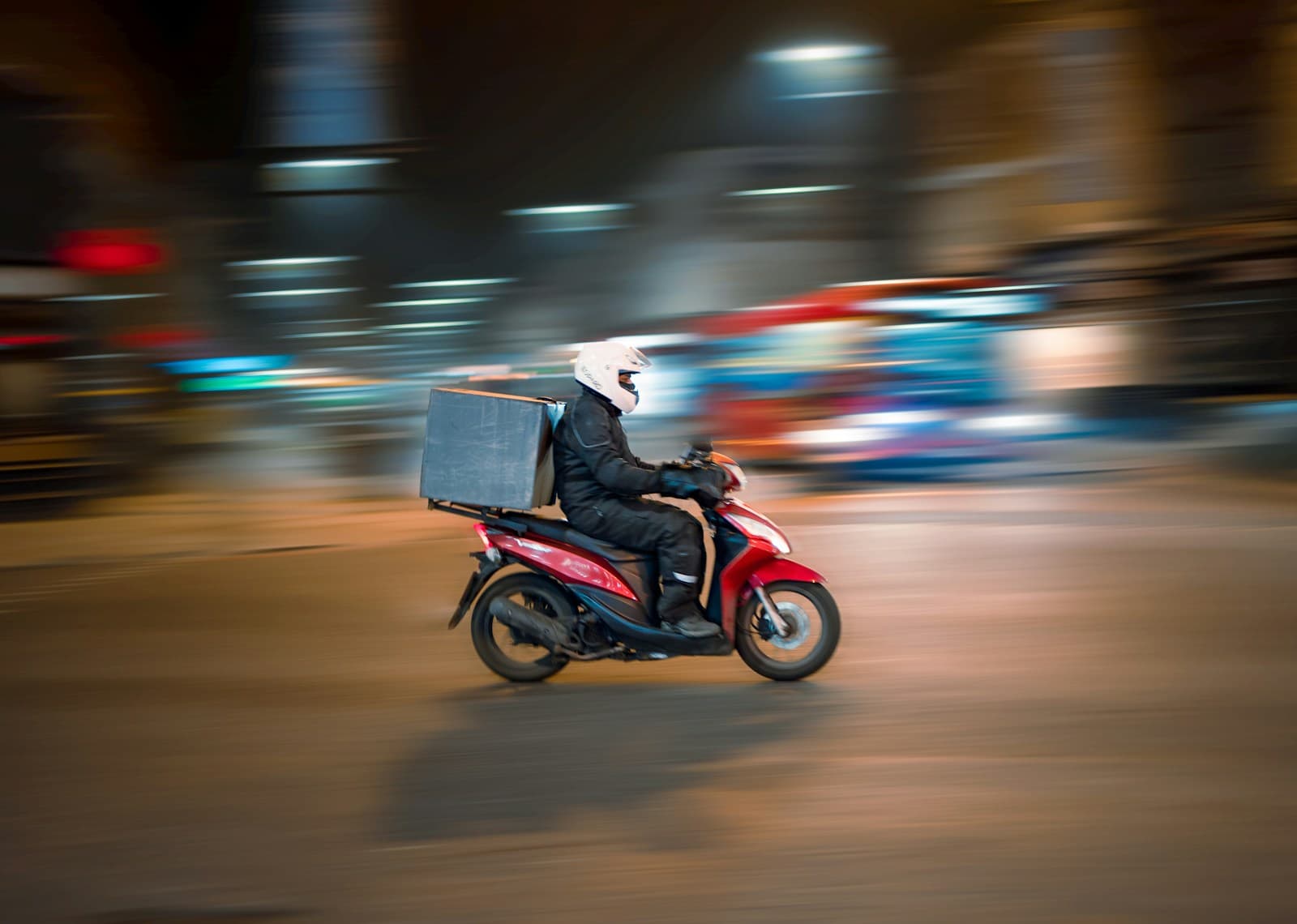
You received your Kansas SR-22 requirement after a suspension, secured a personal auto policy with SR-22 filing, and started driving for Uber to rebuild income. Then you read the exclusions section: your personal policy does not cover you the moment you open the Uber app, even before accepting a ride. The SR-22 filing stays active, but any claim during a rideshare period is denied. You are paying for coverage that disappears exactly when you need it.
Kansas personal auto policies exclude commercial use by default. Rideshare activity — defined as the period from app-on to passenger drop-off — is commercial use under Kansas insurance law. Your personal SR-22 policy covers your commute, your errands, and your personal driving. It does not cover the 20-30 hours per week you drive for Uber. Most Kansas drivers in this position discover the gap only after filing a claim that gets rejected.
Compare car insurance rates in your state
Get quotes from licensed carriers — no obligation, no spam, results in minutes.
Get Your Free QuoteKansas Reinstatement Fee
$59
Kansas charges a $59 reinstatement fee after most suspensions, separate from SR-22 filing costs. Drivers cannot reinstate without paying this fee and maintaining SR-22 coverage for the full filing period, typically 1 year for license suspension.
Kansas Department of Revenue, Division of Vehicles
What Kansas SR-22 Actually Covers During Rideshare
SR-22 is a state filing that proves continuous liability coverage, not a coverage type. Kansas requires $25,000 bodily injury per person, $50,000 per accident, and $25,000 property damage as minimum liability limits. Your personal SR-22 policy meets those minimums for personal driving. During rideshare periods, Kansas law requires Transportation Network Company (TNC) coverage that meets or exceeds those same minimums.
Uber provides liability coverage in three phases: Period 1 (app on, no ride request) provides $50,000/$100,000/$25,000. Period 2 (ride accepted, en route to pickup) and Period 3 (passenger in car) provide $1,000,000 liability. But Uber's Period 1 coverage is contingent — it applies only if your personal policy denies the claim. If your personal policy simply excludes rideshare and you have no TNC endorsement, you are driving uninsured during Period 1. Kansas suspends licenses for uninsured driving, which restarts your SR-22 clock and adds a second suspension.
The gap exists because personal SR-22 policies exclude commercial use, Uber's contingent coverage assumes you have valid personal insurance, and Kansas treats uninsured driving as a separate violation even if your SR-22 filing is current. You need a policy structure that covers both personal use and rideshare periods under one continuous SR-22 filing.
Your SR-22 filing stays active during the coverage gap, but you are driving uninsured the moment you open the Uber app. Kansas will suspend your license again if you are caught or file a claim.
Two Policy Structures That Actually Work
Option 1: Personal SR-22 policy plus commercial TNC endorsement. You add a Transportation Network Company endorsement to your existing personal SR-22 policy. The endorsement fills the rideshare coverage gap — your personal policy now covers app-on through passenger drop-off. The SR-22 filing covers both personal and rideshare periods under one policy. This is the cheaper option. TNC endorsements from carriers like State Farm, Geico, and Progressive cost $10–$25 per month in Kansas. Your SR-22 filing fee is a one-time charge (typically $15–$50, set by carrier). Total monthly cost: your base SR-22 premium plus the TNC endorsement, usually $120–$180/month combined for Kansas drivers with one suspension.
Option 2: Separate personal SR-22 policy and separate commercial rideshare policy. You maintain a personal auto policy with SR-22 filing for personal driving, and you purchase a standalone commercial rideshare policy for rideshare periods. This structure costs $250–$400/month in Kansas because you are paying for two full policies. Few Kansas drivers choose this option unless their personal SR-22 carrier refuses to write TNC endorsements. The SR-22 filing attaches to your personal policy only — the commercial policy does not need its own SR-22 because Kansas accepts one continuous filing as long as it never lapses.
Related Articles


Which Kansas Carriers Write SR-22 Plus TNC Endorsements
Not all Kansas SR-22 carriers offer TNC endorsements. State Farm, Geico, and Progressive write both SR-22 filings and TNC endorsements in Kansas. State Farm's Drive Safe & Save program is available to Kansas Uber drivers with SR-22 requirements and offers usage-based discounts that stack with TNC endorsements. Geico's rideshare endorsement is available online and can be added at quote. Progressive writes SR-22 plus rideshare through its Snapshot program, which tracks mileage and offers per-mile discounts.
Allstate and Farmers write SR-22 in Kansas but do not currently offer TNC endorsements to Kansas drivers with suspension-triggered SR-22 requirements — you would need separate commercial coverage. USAA writes SR-22 plus TNC endorsements but eligibility is limited to military members and their families. Bristol West, Dairyland, and The General write Kansas SR-22 for high-risk drivers but do not write TNC endorsements — these carriers are non-standard specialists focused on personal auto only.
The cheapest path in Kansas is to quote State Farm, Geico, and Progressive for combined SR-22 plus TNC coverage, then compare the bundled monthly cost. Expect $120–$180/month total for drivers with one suspension and clean records otherwise. Drivers with DUI suspensions or multiple violations will see $180–$280/month. Adding the TNC endorsement after securing the base SR-22 policy is straightforward — most carriers process endorsements within 24–48 hours and refile the SR-22 electronically to the Kansas Division of Vehicles.
Kansas SR-22 Filing Period
1 year
Kansas requires SR-22 filing for 1 year after license suspension in most cases. The filing period starts from reinstatement date, not suspension date. Any lapse in SR-22 coverage during the filing period triggers automatic re-suspension and restarts the 1-year clock.
Kansas Department of Revenue, Division of Vehicles
How TNC Endorsement Costs Stack Against Separate Policies
A personal SR-22 policy in Kansas for a driver with one suspension costs $95–$155/month depending on age, county, and carrier. Adding a TNC endorsement to that same policy adds $10–$25/month. Combined cost: $105–$180/month, with SR-22 filing fee as a one-time charge. This structure maintains one continuous policy and one SR-22 filing with no coverage gaps.
A separate commercial rideshare policy costs $150–$245/month in Kansas as a standalone product. You still need your personal SR-22 policy for personal driving, so total monthly cost becomes $245–$400. The commercial policy does not require its own SR-22 filing because Kansas accepts the personal policy's SR-22 as proof of continuous coverage across both policies, but the premium difference is $140–$220 per month compared to the endorsement route. Most Kansas Uber drivers cannot justify that cost unless their personal SR-22 carrier categorically refuses TNC endorsements.
Get Quotes from Kansas Carriers Writing Both
Start by requesting quotes from State Farm, Geico, and Progressive for personal SR-22 coverage in Kansas. When the quote is generated, ask specifically whether TNC endorsements are available for your policy. Not all Kansas agents proactively mention rideshare endorsements during SR-22 quotes — you must ask. Provide your suspension details, your Uber driving frequency (hours per week), and your vehicle information. The carrier will quote the base SR-22 policy and the TNC endorsement as separate line items. Compare the combined monthly cost across all three carriers. Kansas rates vary significantly by county — drivers in Johnson County and Sedgwick County (Wichita) see different premiums than drivers in rural counties.
Once you select a carrier and bind the policy, confirm the SR-22 filing is processed before your Kansas reinstatement deadline. Kansas requires the Division of Vehicles to receive the SR-22 filing electronically before reinstating your license. Most carriers file within 24 hours; some take 3-5 business days. Ask for confirmation that the filing was transmitted and received. Then add the TNC endorsement immediately — most carriers process endorsements faster than initial policies. Do not start driving for Uber until you receive written confirmation that the TNC endorsement is active. A claim filed during the gap between policy binding and endorsement activation will be denied, and Kansas treats that as uninsured driving even though your SR-22 filing is current.