
You're Shopping SR-22 Coverage Before You Know Which Suspension You're Facing
Your license was suspended after an accident in Kansas. You were told you need SR-22 insurance to reinstate. You started calling carriers for monthly payment quotes. Half of them won't quote you at all. The other half quoted wildly different rates—$180/month from one carrier, $340/month from another—and you have no framework to evaluate whether the cheaper option actually meets your reinstatement requirement.
The structural problem: Kansas runs a dual-track suspension system for accidents. The Kansas Department of Revenue Division of Vehicles (DOR) can suspend you administratively for failure to maintain continuous liability coverage after an accident under K.S.A. 40-3104. Separately, a court can suspend you for at-fault accidents causing injury or property damage. These tracks run independently. The SR-22 filing requirement, the reinstatement fee, and the carrier tier you need all depend on which track triggered your suspension—or whether both did.
Compare car insurance rates in your state
Get quotes from licensed carriers — no obligation, no spam, results in minutes.
Get Your Free QuoteKansas Accident Reinstatement Fee
$59
Kansas charges a $59 reinstatement fee for license suspensions triggered by at-fault accidents, separate from the $50 base reinstatement fee for other suspension types. This fee applies regardless of whether SR-22 filing is required, and must be paid to the DOR Driver Control Bureau before driving privileges are restored.
Kansas Department of Revenue Division of Vehicles
The DOR Administrative Track Requires SR-22 for Insurance Lapses, Not All Accidents
If your suspension letter came from the Kansas Department of Revenue Division of Vehicles and references failure to maintain liability insurance after an accident, you are on the administrative track. Kansas law requires continuous liability insurance on registered vehicles. When you have an accident and your carrier cancels your policy or you let coverage lapse, the DOR receives electronic notification under K.S.A. 40-3104 and suspends your license and registration.
This administrative suspension requires SR-22 filing to reinstate. You must obtain a new liability policy meeting Kansas minimums—$25,000 bodily injury per person, $50,000 bodily injury per accident, $25,000 property damage, plus required PIP and uninsured motorist coverage—and your carrier must file SR-22 certification with the DOR electronically. The SR-22 filing itself has no state fee, but carriers charge a one-time filing fee set by the carrier.
The filing period for accident-related administrative suspensions in Kansas is typically 1 year from the reinstatement date. If your SR-22 lapses at any point during that year, the DOR automatically re-suspends your license without additional notice. Your carrier is required to notify the DOR 30 days before canceling SR-22 coverage, but you are responsible for maintaining continuous coverage.
The cheapest SR-22 monthly payment options for this track come from non-standard carriers who specialize in post-suspension coverage. In Kansas, Dairyland, Geico, Progressive, The General, Bristol West, and National General all write SR-22 policies and offer monthly payment plans. Standard-tier carriers like State Farm will file SR-22 but typically quote higher rates for drivers with recent suspensions.
If your suspension letter references court-ordered conditions or criminal penalties rather than insurance lapse, you are on the judicial track—SR-22 may not be required at all.
How to Identify Which Track Triggered Your Suspension
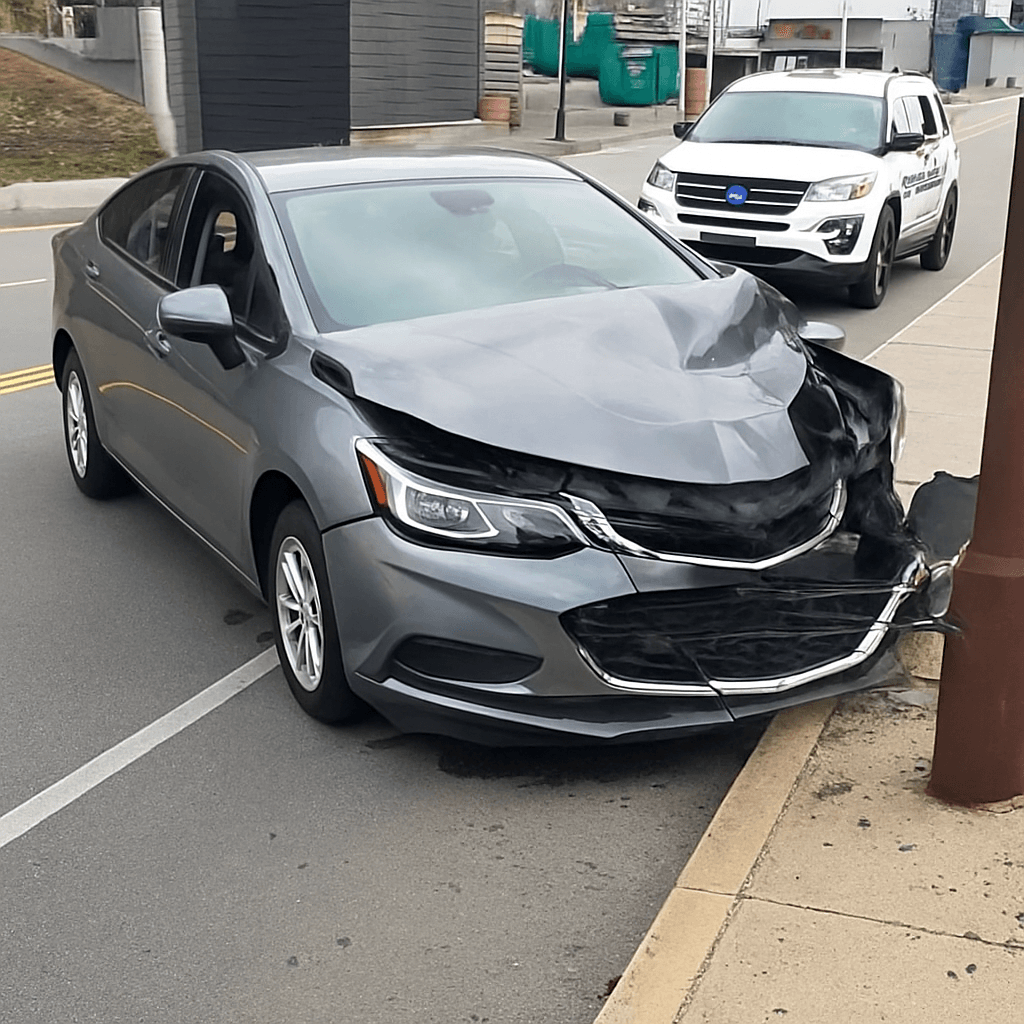
Administrative suspensions: the notice comes on DOR letterhead, references K.S.A. 40-3104 or failure to maintain liability insurance, and instructs you to contact the Driver Control Bureau. The reinstatement conditions will explicitly list SR-22 filing as required. You will also owe the $59 accident reinstatement fee plus the $50 base reinstatement fee. No court hearing is involved—you satisfy the DOR's conditions and pay the fees to reinstate.
Judicial suspensions: the notice comes from the district court where your case was heard, references a specific criminal or traffic case number, and may include conditions like mandatory driver education, restitution payments, or probation terms. SR-22 filing is not automatically required for judicial accident suspensions unless the court order explicitly states it. Your reinstatement path runs through the court, not the DOR. You must satisfy the court's conditions first, then apply for reinstatement with the DOR and pay the $59 accident fee.
Related Articles



When Both Tracks Apply, You Face Two Separate Reinstatement Processes
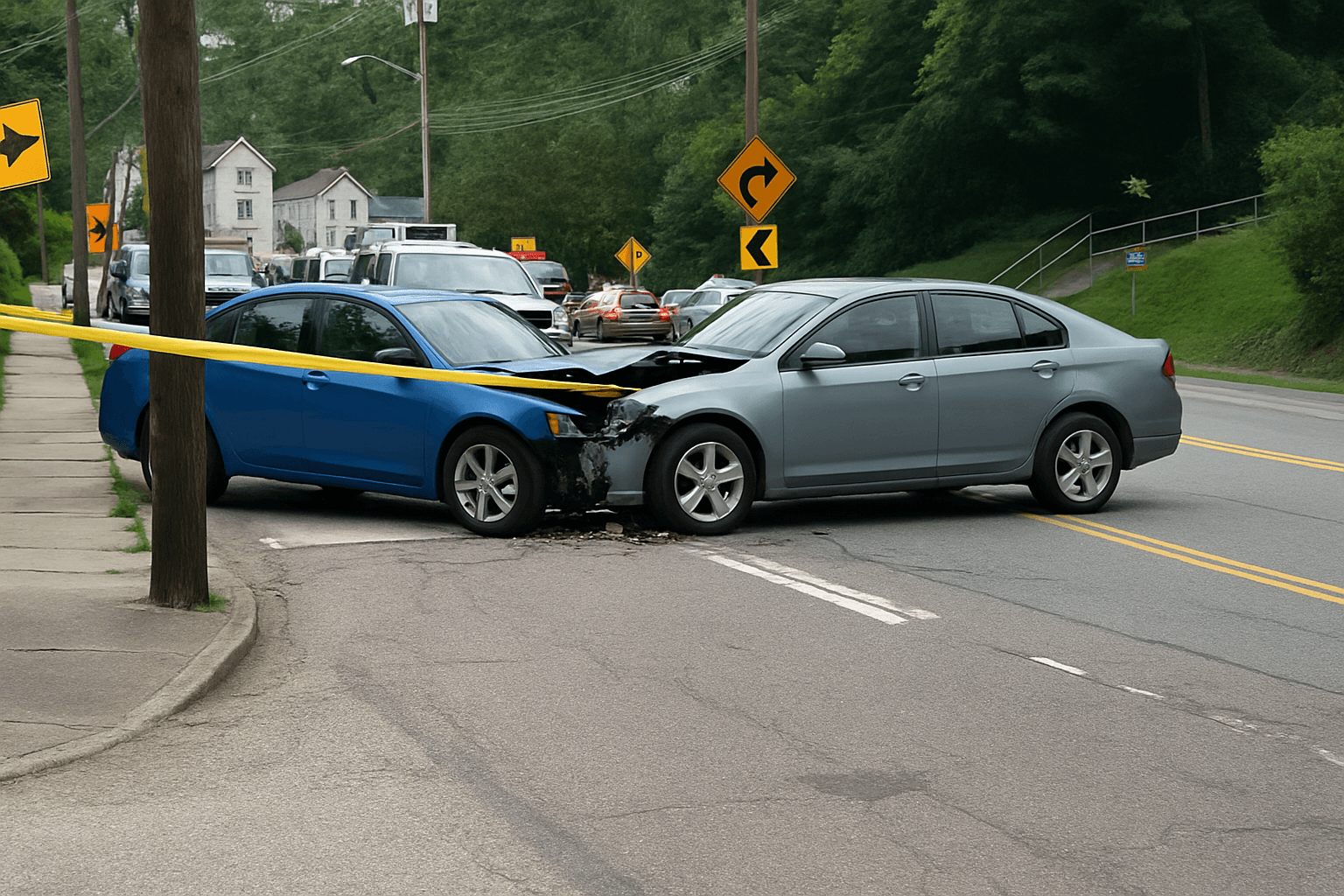
Kansas does not merge administrative and judicial suspensions. If you were cited for an at-fault accident, convicted in court, and also allowed your insurance to lapse after the accident, you face both tracks independently. The DOR suspends you administratively for the lapse. The court suspends you as part of sentencing. Both suspensions run concurrently or consecutively depending on timing, and both must be resolved separately.
Under K.S.A. 8-1014 and related statutes, drivers suspended on both tracks must satisfy both the DOR administrative reinstatement requirements—fees, SR-22 filing, proof of insurance—and any court-ordered conditions before full driving privileges are restored. The court does not communicate with the DOR automatically. You are responsible for ensuring both authorities receive proof that their separate conditions have been met.
This dual requirement is the reason some carriers quote you significantly higher rates. Carriers writing dual-track suspensions know you have both an administrative insurance lapse and a judicial at-fault conviction on record. Non-standard carriers price this risk differently, but all of them will require SR-22 filing because the administrative track mandates it.
Kansas SR-22 Filing Period After Accident
1 year
Kansas typically requires SR-22 filing for 1 year following reinstatement from an accident-related administrative suspension. The period begins on your reinstatement date, not your suspension date. Any lapse in SR-22 coverage during this period triggers automatic re-suspension, and the 1-year clock restarts from your next reinstatement.
Kansas Department of Revenue Division of Vehicles
The Cheapest Monthly Payment Plans Come From Non-Standard Carriers Who Quote Actual Risk
Standard-tier carriers—State Farm, Allstate, Farmers—will file SR-22 if you already hold a policy with them, but they price post-suspension drivers as high-risk and rarely offer the cheapest monthly rates. Non-standard carriers like Dairyland, The General, Bristol West, and Progressive's non-standard division exist specifically to write drivers with suspensions, DUIs, and lapses. They assume higher base risk and price more competitively within that tier.
The rate difference is structural, not promotional. A driver reinstating after a Kansas accident suspension with required SR-22 filing will typically receive quotes $120–$200 lower per month from non-standard carriers than from standard carriers, assuming identical liability limits. This gap widens if you carry points, prior violations, or a lapse longer than 90 days.
Monthly payment plans are standard across all carriers writing Kansas SR-22 policies. The plan itself does not affect your premium—carriers calculate your annual premium, then divide by 12 for monthly billing. Some carriers charge a small installment fee per payment; others do not. The filing fee is always a separate one-time charge, typically $15–$50 depending on carrier, collected with your first payment.
Compare Carriers Who Write Your Specific Suspension Type, Not Generic SR-22 Quotes
Generic SR-22 comparison tools do not distinguish between administrative lapse suspensions and judicial at-fault suspensions. They quote you as though all SR-22 filings are equivalent. In Kansas, they are not. A carrier willing to write a lapse-only suspension may decline to quote a dual-track suspension entirely, or price it in a different underwriting tier.
When you request quotes, specify your suspension type: administrative DOR suspension for post-accident insurance lapse, judicial court suspension for at-fault accident, or both. Provide your suspension notice letter if asked. Carriers need this information to assign you to the correct tier and determine whether they will write your policy at all. Omitting this detail wastes time and produces unworkable quotes.
Dairyland, Geico, Progressive, The General, and Bristol West all write post-accident SR-22 policies in Kansas and offer monthly payment plans. National General writes SR-22 for accident-related suspensions but typically requires a down payment equivalent to two months' premium. State Farm files SR-22 but prices post-suspension drivers higher than non-standard specialists. Compare at minimum three carriers who explicitly confirm they write your suspension type before choosing the cheapest monthly rate.