
Why Your Current Carrier May Drop You the Moment You Request SR-22
You were in an at-fault accident in Kansas. The Kansas Division of Vehicles notified you that you need SR-22 insurance to keep or reinstate your license. You called your current carrier to request the filing. The agent told you they'll need to review your policy—or worse, that they don't offer SR-22 at all. Now you're wondering whether you need to switch carriers entirely before you can even start the filing process.
Here's the structural reality: many standard-tier carriers will not add SR-22 to an existing policy after an at-fault accident, especially if the accident involved injuries, significant property damage, or a lapse in coverage. Some carriers write SR-22 policies but only for drivers with clean records at the time of initial underwriting. An at-fault accident changes your risk profile immediately, and carriers have 30-60 days to non-renew your policy in Kansas. The SR-22 request itself can trigger that non-renewal decision. This means you may need to shop for a new carrier that explicitly writes post-accident SR-22 policies before you can satisfy the Kansas filing requirement.
Compare car insurance rates in your state
Get quotes from licensed carriers — no obligation, no spam, results in minutes.
Get Your Free QuoteKansas SR-22 Filing Period After Accident
1 year
Kansas requires SR-22 continuous filing for 1 year following a license suspension triggered by an at-fault accident, measured from the date your license is reinstated. If your SR-22 lapses at any point during that year, the Kansas Division of Vehicles will re-suspend your license immediately and restart the clock.
Kansas Department of Revenue, Division of Vehicles
What Kansas Actually Requires After an At-Fault Accident
Kansas does not automatically require SR-22 filing after every at-fault accident. SR-22 is triggered when the accident leads to a license suspension—typically because you were uninsured at the time of the accident, caused injuries or significant property damage without adequate liability coverage, or accumulated points that pushed you over the suspension threshold when combined with the accident violation. If your license was not suspended, you do not need SR-22, even if you caused the accident.
If Kansas did suspend your license, the Division of Vehicles will send you a suspension notice specifying the SR-22 requirement and the duration. Kansas law requires minimum liability coverage of $25,000 per person for bodily injury, $50,000 per accident for bodily injury, and $25,000 for property damage. SR-22 is not a type of insurance—it is a state filing that proves you carry at least these minimums. Your carrier submits the SR-22 certificate electronically to the Kansas Division of Vehicles. The filing itself typically costs $25-$50 as a one-time carrier processing fee, but the real cost impact comes from the higher premiums you'll pay as a post-accident, SR-22-required driver.
If your carrier won't file SR-22 after your accident, you cannot wait for them to non-renew you naturally—Kansas gives you a narrow window to file, and missing it restarts your suspension period.
Which Kansas Carriers Write Post-Accident SR-22 Policies
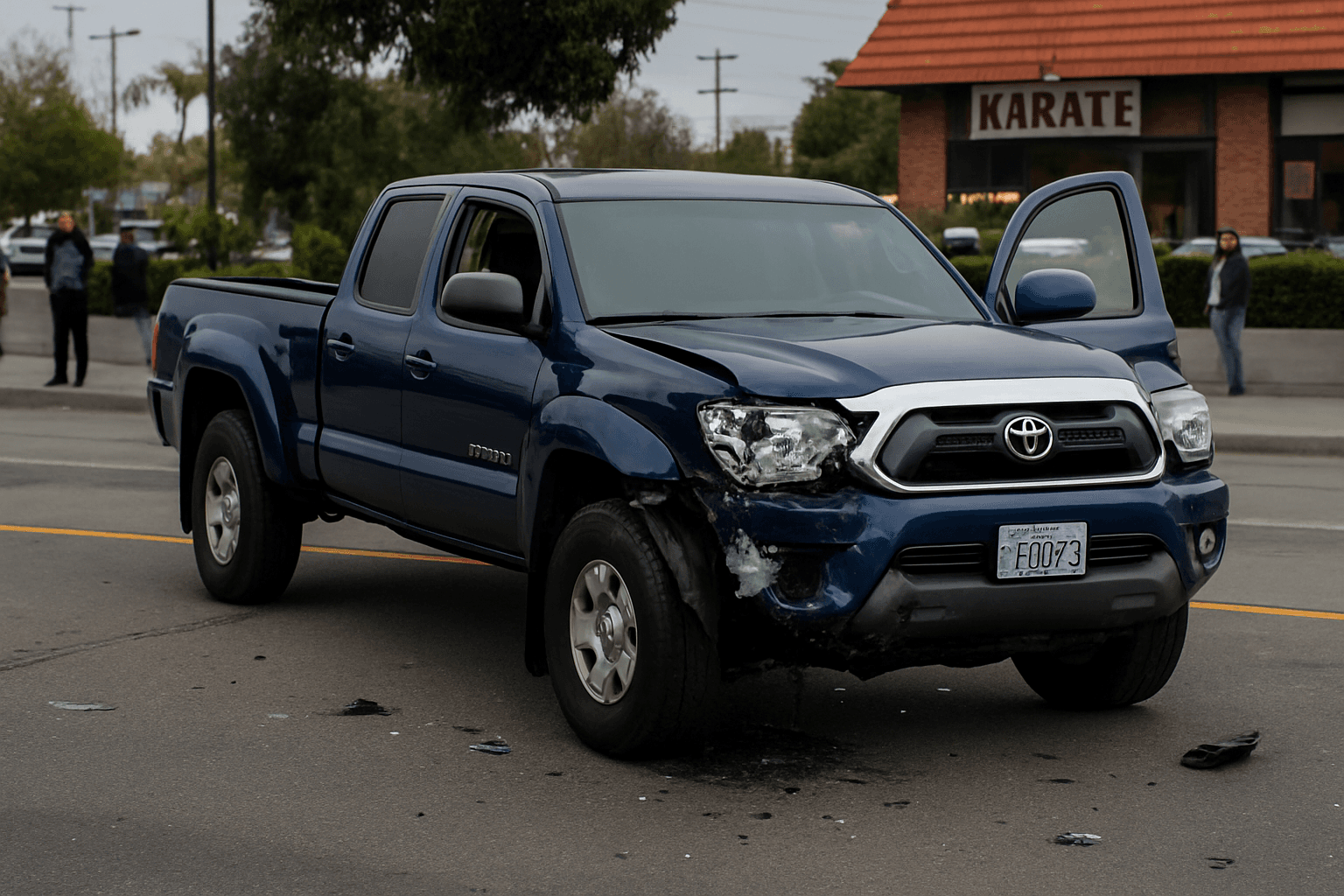
Progressive, Geico, and The General write SR-22 policies for post-accident drivers in Kansas and offer online quotes. Progressive and Geico maintain standard-tier underwriting but may price you into a higher-risk tier after an at-fault accident. The General operates as a non-standard carrier and typically accepts drivers other carriers reject. All three file SR-22 electronically with the Kansas Division of Vehicles the same day or within 24 hours of policy binding. State Farm writes SR-22 in Kansas but does not guarantee acceptance after an at-fault accident—you'll need to request a quote through an agent, and underwriting may decline based on accident severity.
Dairyland, Bristol West, and National General are non-standard carriers licensed in Kansas that specialize in high-risk drivers. They write SR-22 policies for post-accident drivers but require either online applications or broker contact depending on the carrier. These carriers typically charge higher premiums than standard-tier options but are more likely to approve coverage when standard carriers decline. None of these carriers will file SR-22 until you bind a policy and pay the first month's premium—Kansas will not accept an SR-22 certificate unless it's backed by an active, paid policy that meets state minimums.
Related Articles




How to Compare Carriers When Your Current Insurer Won't File
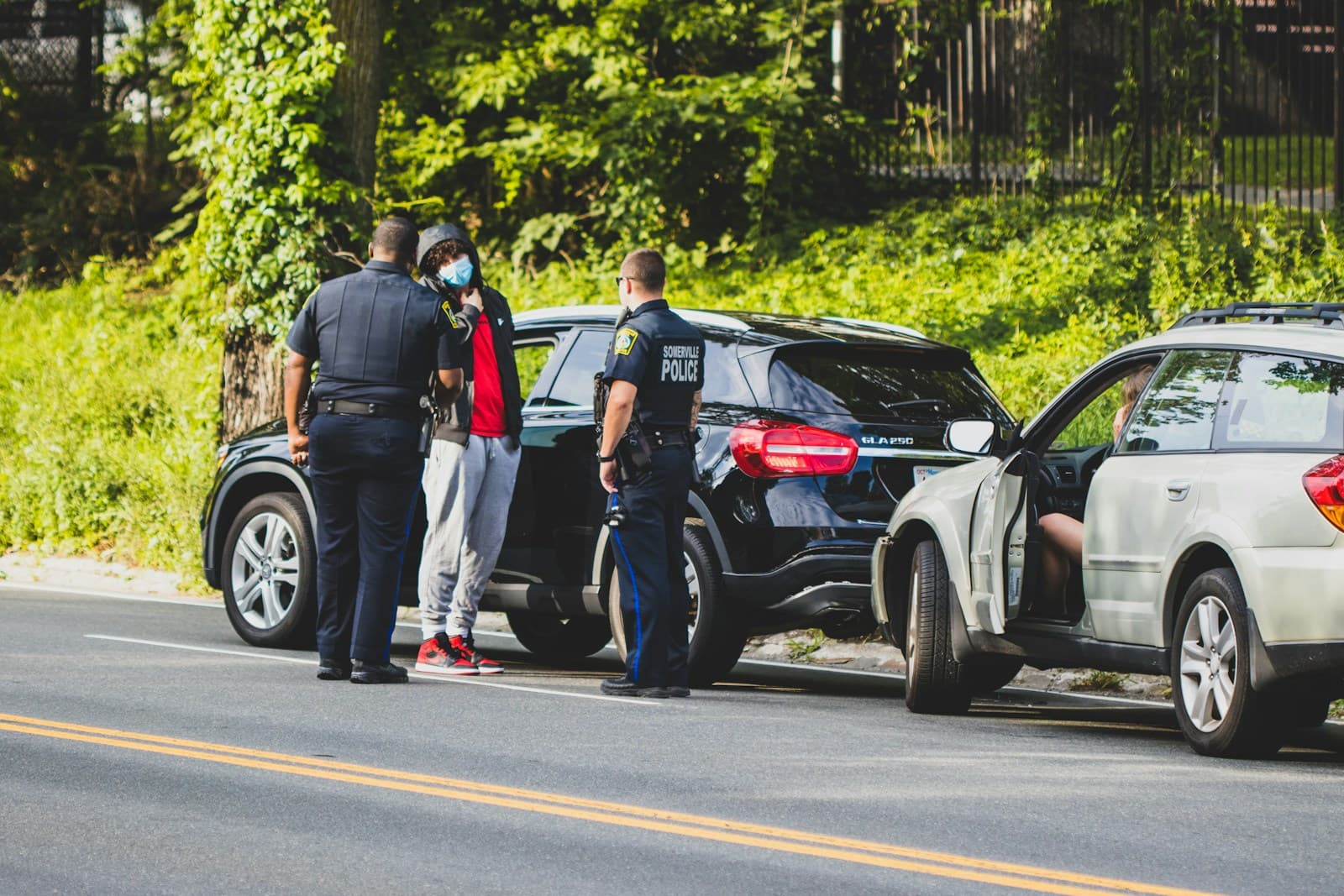
Start by requesting quotes from at least three carriers that write post-accident SR-22 in Kansas. You'll need your Kansas driver's license number, the date of your accident, details about the suspension (if available from your Kansas Division of Vehicles notice), and your current vehicle information. Carriers will run your motor vehicle record and pull your claims history—expect them to see the at-fault accident immediately. Do not attempt to hide the accident or suspension; misrepresentation on an insurance application is grounds for policy cancellation, and Kansas will re-suspend your license if your SR-22 filing is voided for fraud.
Compare quotes on identical coverage limits—Kansas minimums at a minimum, but consider higher limits if you can afford them, especially if the accident that triggered your suspension involved injuries. Collision and comprehensive coverage are not required for SR-22 filing, but if you finance your vehicle, your lender will require them regardless. Look at the total six-month or annual premium, not just the monthly payment, because some carriers front-load fees or structure payment plans that cost more over time. Confirm that each quoted carrier will file SR-22 electronically with Kansas before you bind—some carriers require you to request the filing separately after binding, which delays your reinstatement.
Once you select a carrier and bind a policy, the carrier will file your SR-22 certificate with the Kansas Division of Vehicles within 1-3 business days. Kansas does not issue a paper SR-22 certificate to you—the filing is electronic only, and you'll receive confirmation from your carrier, not from the state. If you're reinstating a suspended license, you'll need to pay Kansas's $59 reinstatement fee (for at-fault accident suspensions) and provide proof of SR-22 filing to the Division of Vehicles before your license is restored. If you're maintaining a valid license and the SR-22 is required as a condition of keeping it active, the filing alone satisfies Kansas's requirement.
Kansas License Reinstatement Fee
$59
Kansas charges $59 to reinstate a license suspended after an at-fault accident, paid directly to the Division of Vehicles in addition to any SR-22 filing fees your carrier charges. This fee is non-refundable even if your SR-22 lapses and you need to reinstate again.
Kansas Department of Revenue, Division of Vehicles
What Happens If Your SR-22 Lapses During the Filing Period
Kansas requires continuous SR-22 filing for the full 1-year period. If your policy cancels for non-payment, if you switch carriers without ensuring the new carrier files SR-22 before the old carrier cancels your certificate, or if you drop coverage entirely, your old carrier will notify the Kansas Division of Vehicles electronically within 24-72 hours. Kansas will suspend your license immediately—there is no grace period for SR-22 lapses. You'll need to obtain a new policy with SR-22, pay the $59 reinstatement fee again, and restart the 1-year filing clock from the date of reinstatement.
To avoid lapses when switching carriers, bind your new policy and confirm the new carrier has filed SR-22 with Kansas before you cancel your old policy. Do not let there be any gap—even one day without active SR-22 on file triggers suspension. Some carriers allow you to overlap policies by a few days to ensure continuous coverage during the transition; confirm this with both your old and new carrier before canceling.
Compare Carriers Now and Lock In Your SR-22 Filing
Kansas gives you a limited window to file SR-22 after a suspension notice, and waiting for your current carrier to make a decision wastes days you don't have. Get quotes from Progressive, Geico, The General, and at least one non-standard carrier like Dairyland or Bristol West. Bind the policy that meets Kansas minimums and fits your budget, confirm the carrier will file SR-22 electronically within 24 hours, and pay your first month's premium to activate the filing. Once Kansas receives your SR-22 certificate and you pay the reinstatement fee, your license is restored and your 1-year filing period begins.