What Kansas Actually Requires After a Second DUI
You received your second DUI conviction in Kansas. The Kansas Department of Revenue suspended your license for one year — a hard suspension with no restricted driving privileges during that period. Now you're approaching reinstatement and trying to figure out what insurance will cost, whether you need SR-22, and how long you'll carry that filing.
Kansas operates a dual-track suspension system for DUI offenses. The administrative suspension (handled by KDOR Division of Vehicles under K.S.A. 8-1002) runs independently from any criminal court suspension. A second-offense Administrative License Suspension is a 1-year hard suspension with no restricted driving allowed. The criminal court may impose its own suspension on top of that. You must satisfy both tracks before full reinstatement, and each has different insurance implications.
Compare car insurance rates in your state
Get quotes from licensed carriers — no obligation, no spam, results in minutes.
Get Your Free QuoteKansas DUI Reinstatement Fee
$200
This is the base reinstatement fee for a DUI-related suspension in Kansas. It does not include SR-22 filing fees (set by your carrier, typically $15–$50), ignition interlock device installation and monthly monitoring costs, or completion fees for required DUI education programs.
Kansas Department of Revenue — Division of Vehicles
SR-22 Filing Requirement and Duration
Kansas requires SR-22 filing for 1 year after reinstatement for a second DUI conviction. The SR-22 is proof-of-insurance certification your carrier files electronically with KDOR. It confirms you maintain continuous liability coverage at or above Kansas minimums: $25,000 bodily injury per person, $50,000 per accident, $25,000 property damage, plus PIP and uninsured motorist coverage.
The 1-year SR-22 period begins the day your license is reinstated, not the day of conviction or suspension. If you let your policy lapse during that year, your carrier notifies KDOR within days and your license is automatically re-suspended. You'll pay another $200 reinstatement fee and restart the SR-22 clock.
This creates confusion because Kansas also requires ignition interlock device installation for DUI offenders, and that requirement runs longer than the SR-22 period. A second DUI typically requires IID for 2–3 years depending on court orders and whether you're on probation. SR-22 ends after 1 year; IID continues. You'll still need insurance after SR-22 expires, but you won't need the SR-22 filing itself unless you violate probation or incur another suspension.
Kansas SR-22 runs 1 year post-reinstatement; ignition interlock runs 2–3 years. These timelines don't align — you'll maintain insurance the entire IID period but only file SR-22 for the first year.
Which Carriers Write Second-Offense DUI

Standard carriers (State Farm, Allstate, American Family, Auto-Owners) typically non-renew after a first DUI and will not quote a second. A few standard carriers (Geico, Progressive, Nationwide) write first-offense DUI with surcharges but exit after a second conviction. Non-standard carriers (Bristol West, Dairyland, The General, National General) write second-offense DUI as core business. These carriers expect multiple violations and price accordingly. You'll pay higher base premiums, but you'll get coverage.
All carriers writing second-offense DUI in Kansas will file SR-22 on your behalf. The filing itself is a small one-time fee (carriers set their own amount, typically $15–$50). The premium increase comes from the DUI conviction on your record, not the SR-22 filing. Non-owner SR-22 policies are available if you don't currently own a vehicle but need to satisfy reinstatement requirements — carriers like Geico, Progressive, Dairyland, The General, and USAA write non-owner policies in Kansas.
Related Articles




Interlock and Administrative Suspension Timing
Kansas DUI offenders face two procedural timelines that don't sync cleanly. The administrative suspension (1 year hard for second offense) starts immediately after arrest or refusal hearing. The criminal court suspension starts after conviction, which may be months later if you pursue diversion or trial. Both suspensions can run concurrently, but reinstatement requires clearing both.
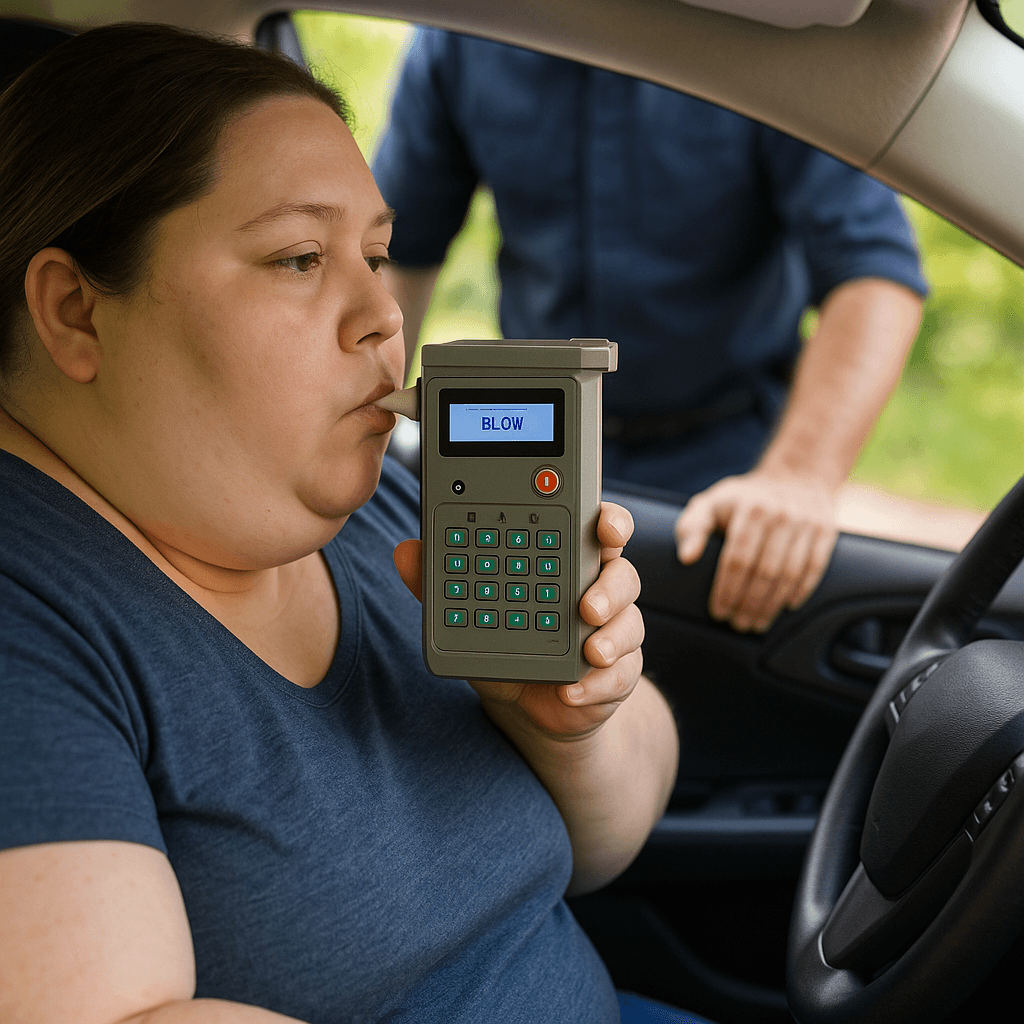
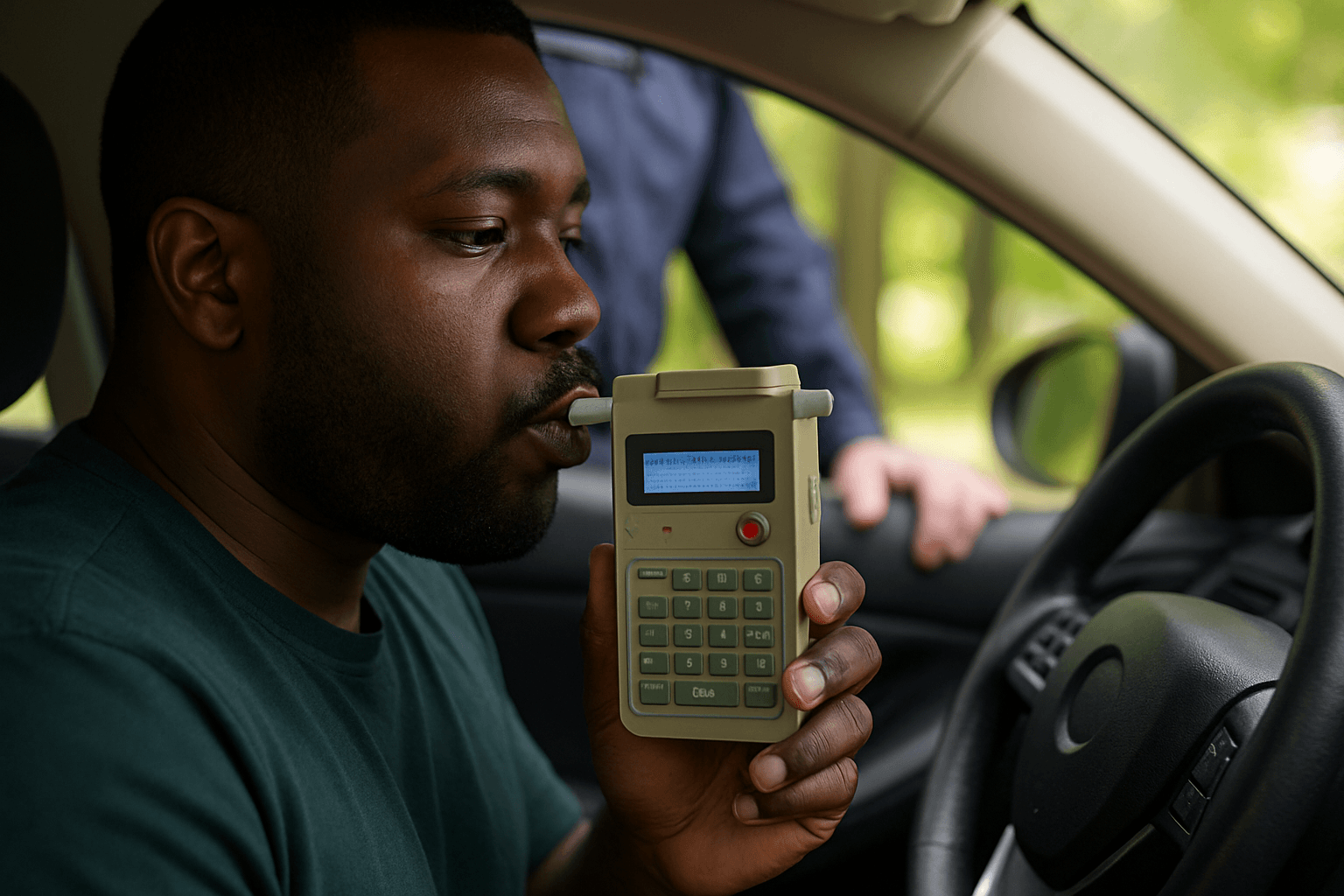
Ignition interlock installation is a condition of reinstatement. You cannot reinstate your license without proof of IID installation from a KDOR-approved vendor. The device stays installed for the court-ordered period (typically 2 years minimum for second offense, 3 years if BAC was .15 or higher or if you refused testing). You'll pay installation fees, monthly monitoring fees, and calibration fees throughout that period. Insurance carriers know the device is installed — some offer premium credits for IID compliance, others don't adjust pricing.
If you're still in the administrative suspension window (first year post-arrest) but your court case resolved quickly, you cannot apply for reinstatement until the administrative hard period ends. Kansas does not offer restricted driving privileges during a second-offense administrative suspension. You wait out the full year, then apply for reinstatement with proof of IID installation, SR-22 filing, DUI education completion, and payment of the $200 reinstatement fee.
Kansas SR-22 Filing Period
1 year
Kansas requires SR-22 filing for 1 year after reinstatement for DUI-related suspensions. This period is shorter than the ignition interlock requirement (2–3 years) but longer than many point-accumulation suspensions. Lapse during the filing period triggers automatic re-suspension.
Kansas Department of Revenue — Division of Vehicles
What Changes Your Premium After Reinstatement
The DUI conviction itself drives the premium increase, not the SR-22 filing. Carriers price risk based on violation severity, time since conviction, and your overall driving record. A second DUI signals higher statistical risk of future claims, and non-standard carriers price that risk into base premiums. After reinstatement, your premium will reflect non-standard tier pricing for the duration the DUI remains on your Kansas driving record (typically 5 years from conviction date).
Your premium will drop over time as the conviction ages, assuming no new violations. After 3 years clean driving post-reinstatement, some non-standard carriers offer step-down pricing. After 5 years, the DUI falls off your Kansas driving record entirely and you can re-enter standard carrier pricing — but only if you've maintained continuous coverage with no lapses, no new violations, and completed your IID and SR-22 periods successfully.
Compare Carriers Writing Your Situation
Non-standard carriers price second-offense DUI differently. Some weight time-since-conviction heavily; others focus on whether you completed diversion or took your case to trial. Kansas allows DUI diversion agreements that, if completed successfully, avoid conviction — but diversion does not eliminate the administrative suspension, and most carriers treat diversion as equivalent to conviction for underwriting purposes during the diversion period.
Start comparing carriers 60–90 days before your reinstatement date. You'll need an active policy with SR-22 filing in place before KDOR will process your reinstatement application. Obtain quotes from Bristol West, Dairyland, The General, National General, Progressive, and Geico. If you don't own a vehicle, request non-owner SR-22 quotes specifically. Provide your exact conviction date, reinstatement date, and IID installation confirmation — carriers need these details to quote accurately.