The Circular Block Kansas Creates
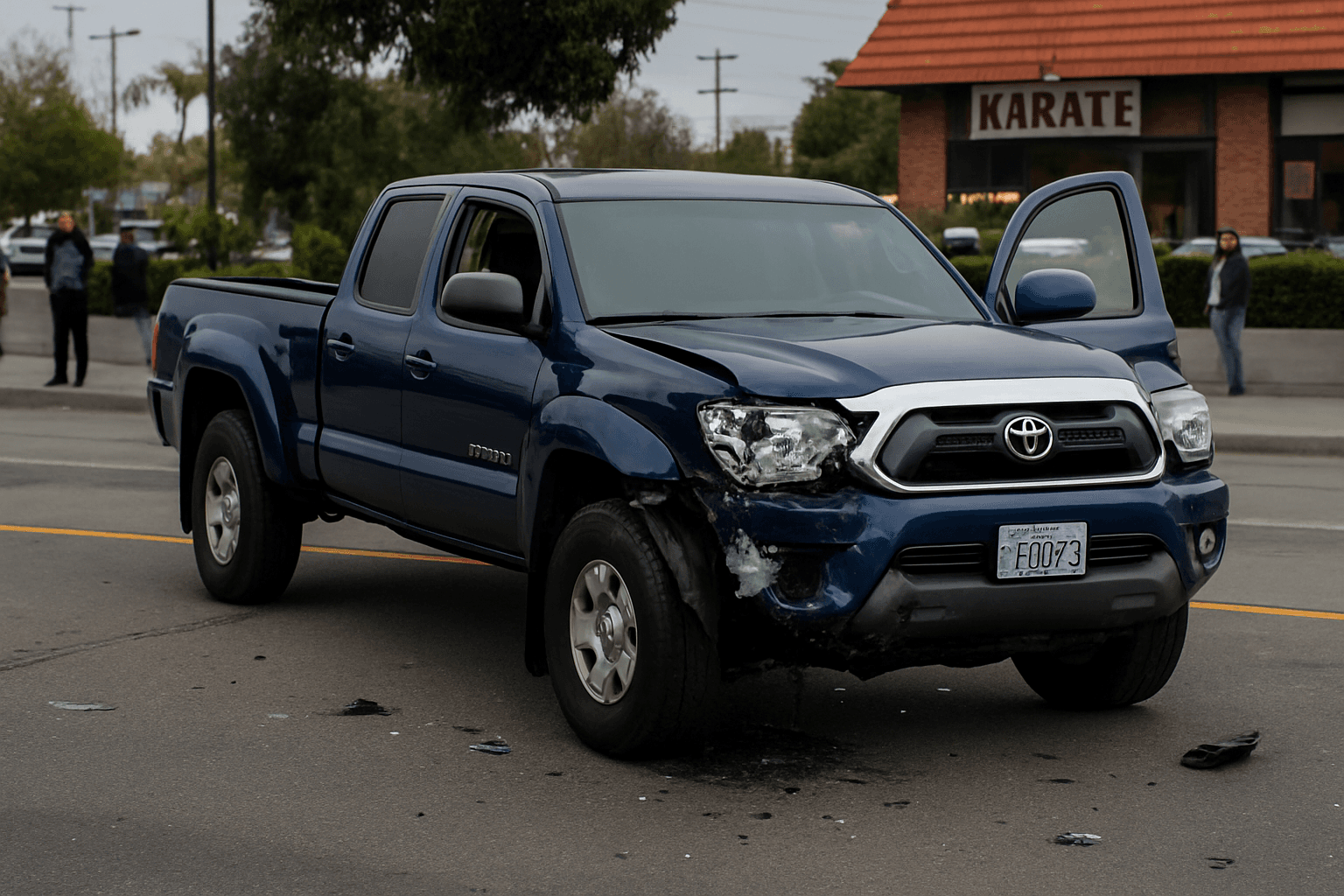
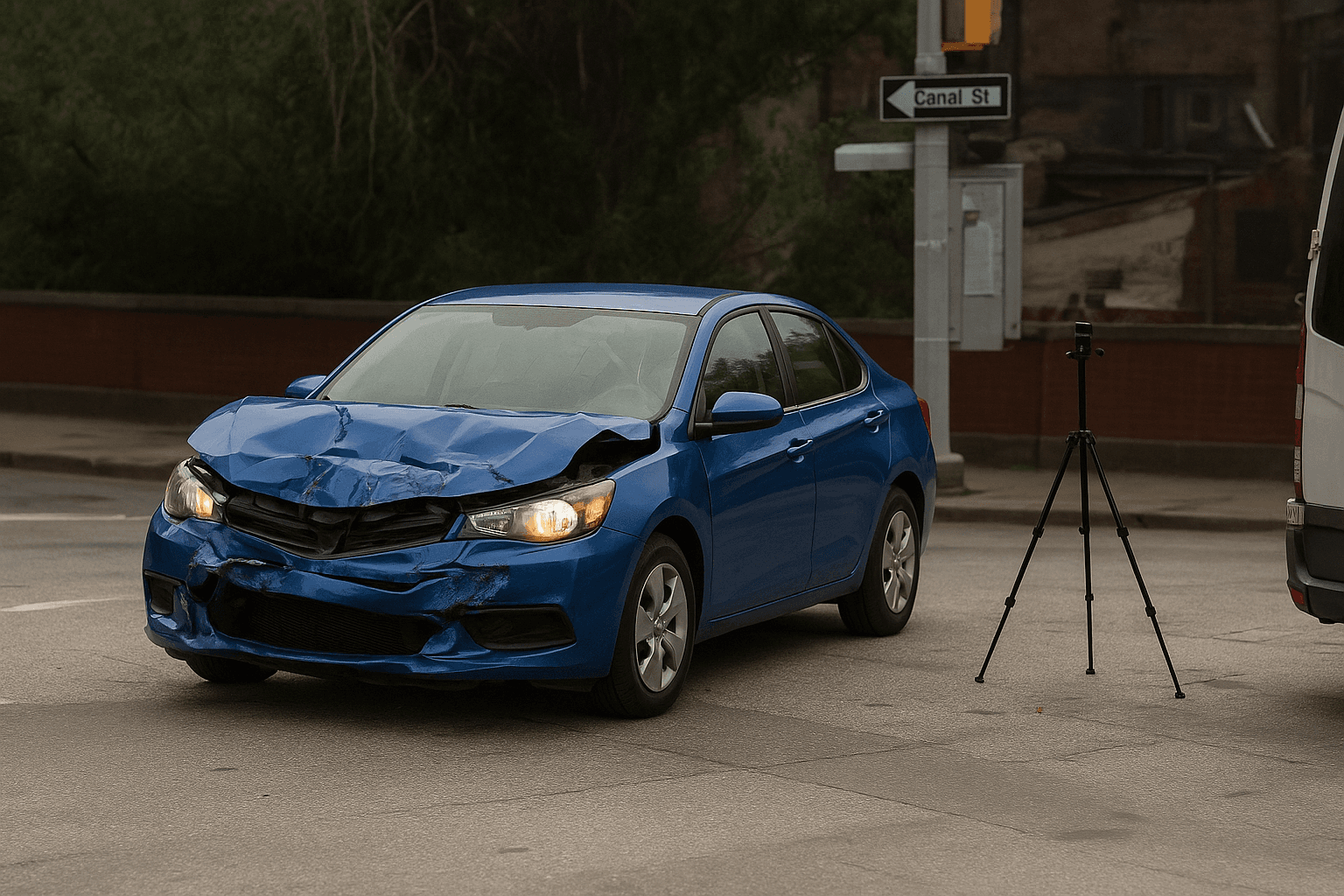
You caused an accident without active liability coverage. Kansas Division of Vehicles sent a suspension notice requiring SR-22 proof-of-insurance filing before reinstatement. When you called carriers to get the required policy, most refused to quote you while the suspension is active. The ones willing to write suspended drivers quoted rates triple your pre-accident premium. You're stuck: the state demands SR-22 to lift the suspension, but carriers block you from getting SR-22 because of the suspension.
This circular dependency is structural, not accidental. Kansas requires continuous liability coverage on all registered vehicles under K.S.A. 40-3104. An at-fault accident without coverage triggers both a registration suspension for the vehicle and a driver's license suspension. The Kansas Division of Vehicles administers both through a dual-track enforcement system where carrier-reported lapses feed directly into the state's electronic insurance verification database. The reinstatement pathway requires SR-22 filing for 1 year post-reinstatement, a $100 reinstatement fee, and proof you've secured liability coverage meeting state minimums of $25,000 per person, $50,000 per accident bodily injury, and $25,000 property damage.
Compare car insurance rates in your state
Get quotes from licensed carriers — no obligation, no spam, results in minutes.
Get Your Free QuoteKansas Uninsured Accident Reinstatement Fee
$100
Applies specifically to uninsured motorist violations under Kansas Division of Vehicles suspension authority. This fee is separate from any court fines or property damage liability you face from the accident itself.
Kansas Department of Revenue, Division of Vehicles
Why Most Carriers Block Suspended Drivers
Standard-tier carriers (State Farm, Allstate, American Family) underwrite to loss ratios that exclude actively suspended drivers. Their rate filings assume a risk pool without active violations. An at-fault accident combined with an uninsured motorist suspension places you outside their approved risk bands. When you request a quote, their systems flag the suspension status through real-time MVR pulls and decline the application automatically.
Non-standard carriers (The General, Bristol West, Dairyland, National General) write suspended drivers as part of their core business model, but they price the combined risk at 200-350% of standard-tier baseline. The accident adds a surcharge; the suspension adds a separate tier shift; the SR-22 filing requirement adds a filing fee. These stack. A driver who paid $85 per month before the accident typically sees quotes in the $240-$380 range after suspension.
The pathway forward exists, but it requires working backward from the reinstatement goal. Kansas accepts SR-22 filing from non-owner policies specifically to address this structural problem. A non-owner SR-22 policy covers you as a driver without insuring a specific vehicle. You don't need to own a car to satisfy the state's proof-of-insurance requirement.
The state requires SR-22 before reinstatement. Most carriers require reinstatement before SR-22. Non-owner SR-22 breaks the circular dependency by letting you file proof of insurance without owning or insuring a vehicle.
How Non-Owner SR-22 Works in Kansas
A non-owner SR-22 policy provides the state-required liability minimums ($25,000/$50,000/$25,000 plus required PIP and uninsured motorist coverage) and includes the SR-22 certificate filing. The carrier electronically transmits your SR-22 to the Kansas Division of Vehicles within 1-3 business days of policy purchase. This filing proves you now carry continuous coverage meeting state law, which clears the insurance-related portion of your suspension. You still owe the $100 reinstatement fee and must address any other suspension triggers (unpaid fines, failure-to-appear holds) separately, but the SR-22 filing removes the insurance block.
Non-owner policies cost substantially less than standard auto policies because they exclude collision, comprehensive, and vehicle-specific risk. Typical Kansas non-owner SR-22 premiums for drivers with an at-fault uninsured accident run $45-$95 per month depending on age, county, and how recent the accident was. The SR-22 filing fee (set by the carrier, typically $15-$35 one-time) is added to the first month's premium. You maintain the policy and the SR-22 filing for 1 year post-reinstatement. If the policy lapses or cancels during that window, the carrier notifies KDOR electronically and your license suspends again automatically.
Related Articles



Carriers That Write Kansas Non-Owner SR-22
Not all carriers offer non-owner policies, and fewer still write them for drivers with active suspensions. Geico, Progressive, The General, and Dairyland write non-owner SR-22 in Kansas and accept applications from suspended drivers. State Farm writes non-owner policies but requires reinstatement to be complete before issuing SR-22, which doesn't solve the circular dependency. USAA writes non-owner SR-22 but only for members eligible for military-affiliated coverage.
Bristol West and National General write suspended drivers and offer SR-22 filing, but their non-owner availability varies by underwriting region within Kansas. Some counties are serviced; others require broker placement. Progressive and The General provide online quotes for non-owner SR-22 directly and can issue same-day if you apply before 3 PM Central on a business day. Dairyland requires phone or broker contact but typically quotes within 24 hours.
When comparing carriers, confirm three things before purchasing: the policy includes Kansas-required PIP and uninsured motorist coverage (non-owner policies sometimes exclude these in states where they're optional, but Kansas mandates them), the carrier will file SR-22 electronically to KDOR (not all non-owner writers offer SR-22 filing), and the monthly premium quote includes the filing fee or states it separately so you know the true first-month cost.
Kansas SR-22 Filing Period Post-Reinstatement
1 year
Required for uninsured motorist violations. The 1-year period starts from your reinstatement date, not your suspension date or accident date. Any lapse in coverage during this period triggers automatic re-suspension by the Division of Vehicles.
Kansas Department of Revenue, Division of Vehicles
The Reinstatement Sequence After You File SR-22
Once the carrier files your SR-22 electronically, KDOR receives the proof-of-insurance notice within 1-3 business days. The electronic insurance verification system updates your driver record to show compliant coverage status. You then pay the $100 reinstatement fee online through the KDOR Driver Control Bureau portal or in person at a driver licensing office. If you have no other suspension holds (unpaid tickets, failure-to-appear warrants, child support arrears), the system clears your suspension immediately upon fee payment. If additional holds exist, those must be resolved separately before reinstatement processes.
The 1-year SR-22 maintenance period begins the day your license reinstates, not the day you purchased the policy. If your suspension lasted 90 days and you bought the non-owner SR-22 policy on day 30, you'll carry the policy for approximately 13 months total: 60 days during suspension, plus 12 months post-reinstatement. Canceling the policy early, even by one day, triggers an automatic lapse notice to KDOR and re-suspends your license. Set the policy to auto-renew and keep payment current.
When You Buy or Lease a Vehicle Later
A non-owner SR-22 policy does not cover a vehicle you own, lease, or regularly use. If you acquire a vehicle while the SR-22 filing requirement is still active, you must switch from the non-owner policy to a standard auto policy with SR-22 filing on the owned vehicle. Contact your carrier before the vehicle purchase closes. Most carriers that write non-owner SR-22 also write standard auto SR-22 and can convert your policy without a coverage gap.
The conversion must happen before you register the vehicle. Kansas requires proof of insurance to complete vehicle registration. If you register the car under a non-owner policy, the registration will be denied or flagged. The new auto policy's SR-22 filing replaces the non-owner SR-22 filing with KDOR electronically. There's no separate reinstatement step — the filing continuity is what matters. As long as no gap occurs between the non-owner policy cancellation and the standard policy effective date, your 1-year SR-22 clock continues without interruption. Check your SR-22 insurance options before making the switch to confirm which carriers write your vehicle type and county at acceptable rates.