When Your Non-Owner Policy Won't Cover the Borrowed Car
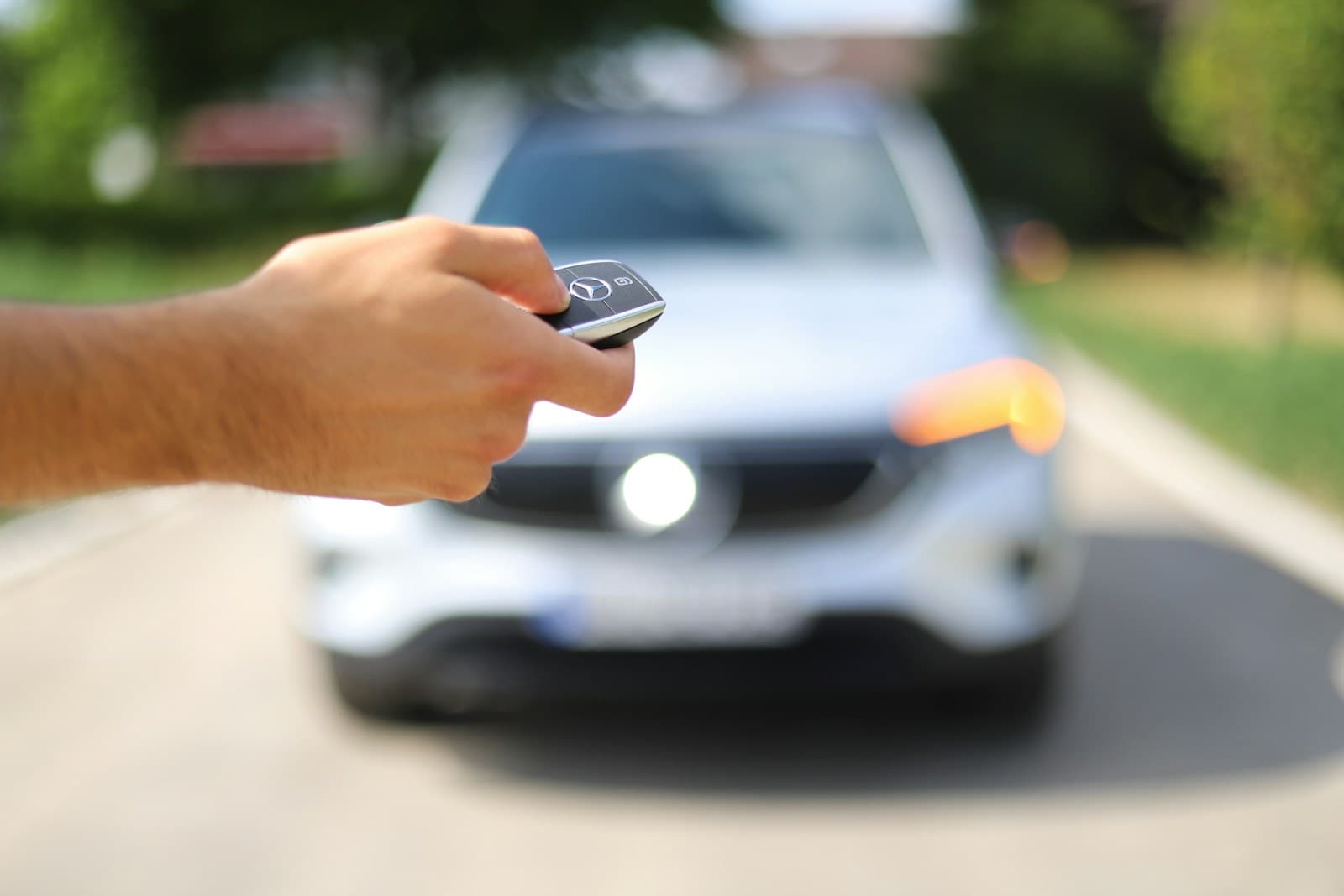
You bought a non-owner SR-22 policy to satisfy Kansas reinstatement requirements after a suspension. You filed the SR-22 certificate with the Kansas Department of Revenue Division of Vehicles, paid your $50 reinstatement fee, and got your license back. Now a friend offers to lend you their car for a week and you assume your non-owner policy covers you as the driver. It does not work that way. Non-owner SR-22 insurance is liability-only coverage that applies when you drive a vehicle you do not own, but it pays only after the borrowed car's own insurance exhausts its limits. If the car owner's policy excludes you by name or carries state-minimum liability that leaves a gap, your non-owner policy will not fill it.
This structural reality surprises most Kansas SR-22 filers who buy non-owner policies specifically because they borrow cars regularly. The policy meets your filing requirement. It keeps your license valid. But it was never designed to be primary coverage on someone else's vehicle. The owner's insurance pays first. Your non-owner policy steps in only when the owner's coverage is insufficient or specifically excludes you. That distinction determines whether you are actually covered when you drive a borrowed car in Kansas.
Compare car insurance rates in your state
Get quotes from licensed carriers — no obligation, no spam, results in minutes.
Get Your Free QuoteKansas Minimum Liability Limits
$25,000 / $50,000 / $25,000
Kansas requires $25,000 bodily injury per person, $50,000 per accident, and $25,000 property damage. Most borrowed cars carry at least these minimums, meaning the owner's policy pays first and your non-owner SR-22 acts as excess coverage only when those limits are exceeded.
K.S.A. 40-3107
How Non-Owner SR-22 Coverage Actually Works in Kansas
A non-owner SR-22 policy in Kansas provides liability coverage when you drive a vehicle you do not own and do not have regular access to. The policy meets Kansas proof-of-insurance requirements. It satisfies SR-22 filing obligations imposed after DUI suspensions, uninsured motorist violations, or other high-risk triggers. Carriers like GEICO, Progressive, Dairyland, Bristol West, and The General all write non-owner SR-22 policies in Kansas, typically at lower premiums than standard owner policies because the risk pool excludes vehicle damage and the policy applies only when you drive occasionally.
The coverage structure is always excess. The borrowed vehicle's own insurance is primary. Your non-owner policy pays only when the borrowed car's liability limits are exhausted by a claim or when the owner's policy specifically excludes you. If you cause an accident in a borrowed car and the damages exceed the owner's liability limits, your non-owner policy covers the gap up to your own policy limits. If the owner's policy excludes you by name because you are a known high-risk driver or a household member they specifically listed as excluded, your non-owner policy becomes primary.
Kansas does not require collision or comprehensive coverage on any policy, owner or non-owner. A non-owner SR-22 policy never covers damage to the vehicle you are driving. If you wreck a borrowed car, your non-owner policy will not pay for the repairs. The owner's collision coverage pays for their own vehicle damage, assuming they carry collision. You are personally liable for any vehicle damage not covered by the owner's policy. This is the structural gap most non-owner SR-22 filers do not understand until after an accident.
Your non-owner SR-22 policy will not pay for damage to the borrowed car. If the owner's collision coverage does not apply, you are personally liable for repairs.
Household Exclusions Block Your Non-Owner Coverage
Kansas allows insurers to exclude named drivers from a household policy. Household exclusions are common when a family member has a DUI or suspension history and the policyholder wants to keep their premium down. If the car owner listed you as an excluded driver on their policy, their insurance will not cover any accident you cause while driving their vehicle. Your non-owner SR-22 policy is supposed to step in as primary coverage in this situation, but many non-owner policies contain household vehicle exclusions that block coverage when you drive a car owned by someone in your household.
The policy language varies by carrier. Progressive, GEICO, and Dairyland non-owner policies typically exclude vehicles owned by household members or vehicles you have regular access to. If you live with the car owner, their vehicle may be excluded from your non-owner coverage even if their policy excludes you. This creates a coverage gap where neither policy pays. The solution is to verify before you drive: ask the car owner whether you are excluded on their policy, and check your own non-owner policy declarations for household vehicle exclusions. If both policies exclude you, do not drive that car.
Related Articles


What Kansas Law Requires for Borrowed-Car Coverage
Kansas law requires every driver to carry continuous liability insurance meeting state minimums. K.S.A. 40-3104 mandates proof of insurance at all times. If you are driving a borrowed car and neither the owner's policy nor your non-owner policy covers you, you are driving uninsured under Kansas law. A traffic stop or accident without valid coverage triggers a new suspension, reinstates your SR-22 filing clock, and may impose additional fines and reinstatement fees. The fact that you filed SR-22 and hold a non-owner policy does not protect you if that policy excludes the specific vehicle you are driving.
Kansas uses an electronic insurance verification system coordinated by the Kansas Department of Revenue and the Kansas Insurance Department. Carriers report policy cancellations and exclusions electronically. If your non-owner SR-22 lapses or cancels, the state receives notification within days and suspends your license automatically. If you cause an accident in a borrowed car and neither policy covers you, the accident is reported as uninsured and triggers the same administrative suspension process. You will face a new $50 reinstatement fee, a new SR-22 filing requirement, and a suspension period that restarts your entire compliance timeline.
The safest approach is to confirm coverage before you drive any borrowed vehicle. Call your non-owner SR-22 carrier and ask explicitly whether the borrowed car is covered. Provide the vehicle owner's name and your relationship to them. Ask whether household exclusions apply. Get confirmation in writing if possible. If the borrowed car's owner has liability-only coverage at state minimums and your non-owner policy excludes household vehicles, you have no collision coverage and insufficient liability coverage. Do not assume your SR-22 filing protects you in every driving scenario. It does not.
Kansas Reinstatement Fee
$50
If you drive uninsured in a borrowed car and cause an accident, Kansas imposes a new $50 reinstatement fee on top of any fines, and your SR-22 filing period restarts. The base fee applies to every reinstatement event, and additional fees may apply depending on the violation.
Kansas Department of Revenue, Division of Vehicles
When You Need Permission-to-Use Coverage Instead
Some Kansas drivers who borrow cars regularly need permission-to-use endorsements added to the owner's policy rather than relying on non-owner SR-22 coverage. A permission-to-use endorsement lists you as an authorized driver on someone else's policy. The owner's carrier extends primary coverage to you when you drive their vehicle. This costs more than excluding you, but it eliminates the coverage gap that non-owner policies create. If you live with the car owner or drive their vehicle more than once a week, ask the owner to contact their insurer and price a permission-to-use endorsement.
The endorsement does not transfer your SR-22 obligation. You still need your own non-owner SR-22 policy to satisfy Kansas filing requirements. The permission-to-use endorsement on the borrowed car's policy covers you as a driver; your non-owner SR-22 policy satisfies the state filing; both policies remain active. This dual-coverage structure costs more than non-owner SR-22 alone, but it protects you in the exact scenario where non-owner policies fail. If the borrowed car is damaged, the owner's collision coverage pays. If you cause liability damages exceeding the owner's limits, your non-owner policy covers the excess. No gap exists.
Compare Kansas Non-Owner SR-22 Carriers Now
Non-owner SR-22 premiums in Kansas vary significantly by carrier, your driving history, and the coverage limits you select. GEICO, Progressive, Dairyland, Bristol West, The General, and USAA all write non-owner SR-22 policies in Kansas, but household exclusion language and excess-coverage triggers differ by carrier. Some carriers exclude all household vehicles automatically. Others allow household vehicles as long as you do not have regular access. Some deny claims when the borrowed car's owner has excluded you by name. These differences matter when you borrow cars regularly. Get quotes from at least three carriers and compare household exclusion language in the policy declarations before you buy. Ask each carrier explicitly whether borrowed cars are covered when you live with the owner, when the owner has excluded you, and when the borrowed car's liability limits are at state minimums. The cheapest premium is not always the best choice when coverage gaps create new suspension risk. See Kansas SR-22 coverage options and compare carriers that write non-owner policies to find the policy that actually covers the vehicles you drive.