
The Filing Step That Blocks Most Kansas Reinstatements
Your Kansas license is suspended, you've paid the $59 reinstatement fee for the suspension trigger, and you're ready to get legal again. Then someone mentions SR-22 and you hit a wall. You don't know which insurance companies actually file SR-22 certificates in Kansas, whether you can walk into a DMV office with proof, or how long the state takes to process the filing once it's submitted.
The SR-22 is not insurance coverage itself — it's an electronic certificate your insurance carrier files directly with the Kansas Department of Revenue Division of Vehicles proving you carry at least the state minimum liability limits. Kansas law requires continuous SR-22 filing for 1 year after reinstatement for license suspension triggers tied to insurance violations or high-risk driving. The filing happens carrier-to-state. You cannot satisfy this requirement by bringing a paper insurance card to the DMV. Most carriers that write Kansas auto policies offer SR-22 filing, but not all, and the ones that do charge a one-time filing fee set by the carrier.
Compare car insurance rates in your state
Get quotes from licensed carriers — no obligation, no spam, results in minutes.
Get Your Free QuoteKansas SR-22 Filing Period
1 year
Kansas requires SR-22 maintenance for 1 year from reinstatement date for license suspension cases. A lapse in coverage during this period triggers automatic re-suspension by the Division of Vehicles, requiring you to restart the entire reinstatement process including new fees.
Kansas Department of Revenue, Division of Vehicles
Which Carriers File SR-22 in Kansas and How to Identify Them
Twelve carriers operating in Kansas explicitly file SR-22 certificates: Bristol West, Dairyland, Geico, National General, Progressive, State Farm, and The General write SR-22 for standard and non-standard risk drivers. USAA writes SR-22 for eligible military members and their families. These carriers cover the full spectrum from preferred-tier drivers with a single violation to non-standard drivers with DUI convictions or multiple suspensions.
Four additional carriers write Kansas auto policies but do not explicitly confirm SR-22 filing capability in public documentation: Allstate, American Family, Amica, Auto-Owners, Country Financial, CSAA, Farmers, Hartford, Liberty Mutual, Nationwide, Shelter, and Travelers. If you already carry a policy with one of these carriers, call your agent directly and ask whether they file SR-22 certificates in Kansas. Some write SR-22 for existing customers but do not advertise it publicly. If they confirm, you avoid switching carriers. If they decline, you move to one of the confirmed SR-22 writers listed above.
Non-owner SR-22 policies are available from Bristol West, Dairyland, Geico, Progressive, The General, and USAA. A non-owner policy provides liability coverage when you drive a vehicle you do not own and satisfies Kansas SR-22 requirements without requiring vehicle registration. This is the correct path if you sold your car during suspension, rely on borrowed vehicles, or plan to delay purchasing a vehicle until after reinstatement.
Kansas processes SR-22 filings electronically only. Bringing a paper insurance card to the Division of Vehicles does not satisfy the SR-22 mandate and delays reinstatement indefinitely.
How the SR-22 Filing Process Actually Works in Kansas

You purchase a liability policy (or non-owner policy) from a carrier that writes SR-22 in Kansas. At the time of purchase or policy amendment, you request SR-22 filing. The carrier charges a one-time filing fee — amounts vary by carrier but typically range from $15 to $50 — and submits the SR-22 certificate electronically to the Kansas Department of Revenue Division of Vehicles. This submission happens within 1-3 business days of your request in most cases. You do not file the SR-22 yourself, you do not mail paperwork to the state, and you do not visit a DMV office to submit proof at this stage.
The Division of Vehicles receives the electronic filing, matches it to your driver license record, and updates your compliance status in the state system. Processing takes 1-3 business days after the carrier files. Once processed, your SR-22 is on file and remains active as long as your policy stays in force. If your policy lapses or cancels for any reason during the required 1-year filing period, the carrier is legally required to notify the Division of Vehicles electronically within 10 days. The state then suspends your license again automatically, requiring a new reinstatement fee and a new SR-22 filing to restore driving privileges.
Related Articles



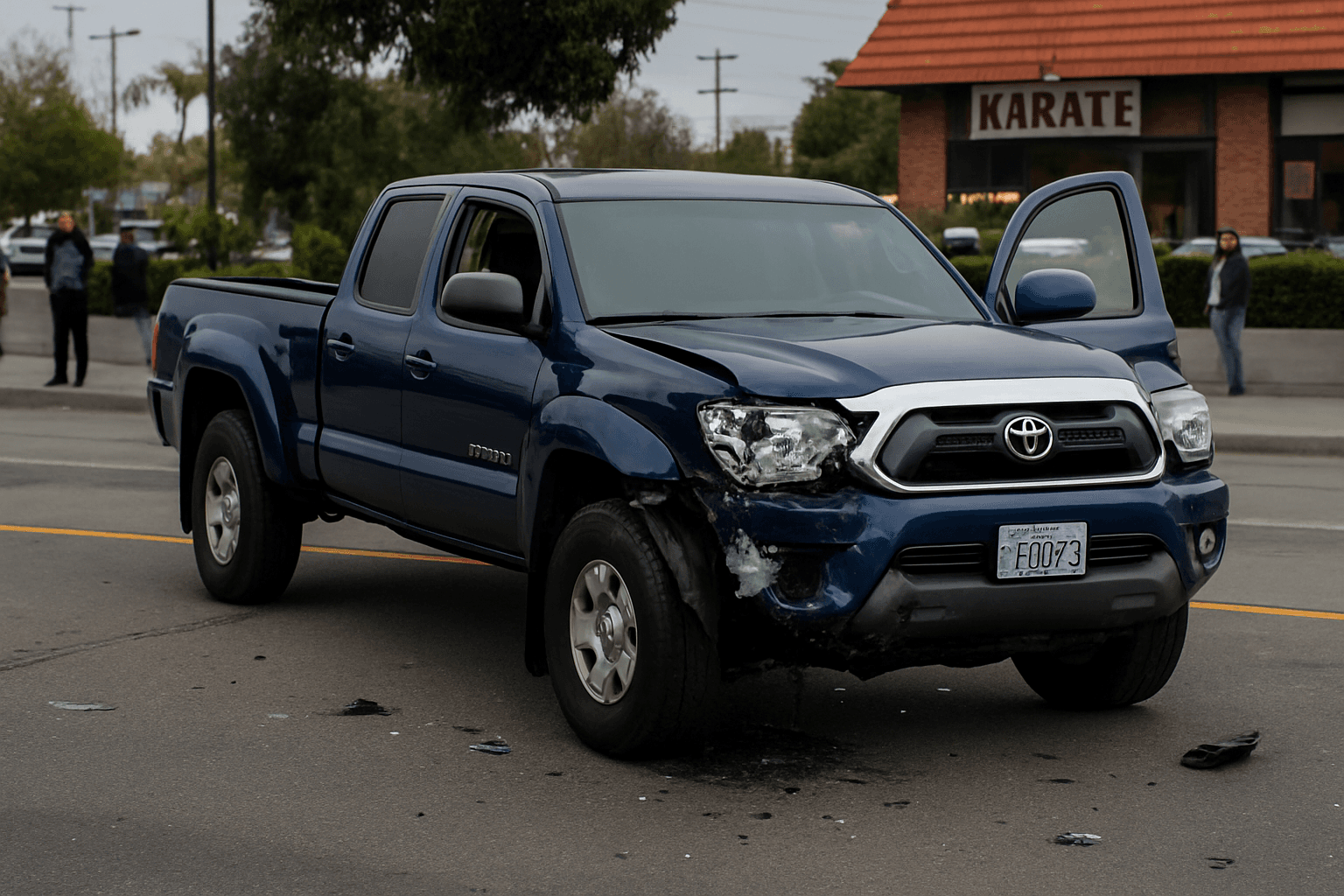


What Happens If You Let the SR-22 Lapse Before the Year Ends
Kansas tracks SR-22 compliance through the same electronic verification system carriers use to file new certificates. When your policy cancels — whether you cancel intentionally, miss a payment, or switch carriers without filing a new SR-22 first — the current carrier sends an electronic cancellation notice to the Division of Vehicles. The state receives the notice, suspends your license, and mails a suspension letter to your address on file. By the time the letter arrives, your license is already suspended.
Reinstating after an SR-22 lapse requires paying a new reinstatement fee, purchasing a new policy with SR-22 filing, and waiting for the state to process the new certificate. The original 1-year SR-22 period does not pause during the lapse — it restarts from the new reinstatement date. A 30-day lapse six months into your SR-22 period means you owe another full year of filing from the date you reinstate, not six additional months.
If you need to switch carriers during your SR-22 period, request SR-22 filing from the new carrier before you cancel the old policy. The new carrier files electronically, the state updates your record, and the transition happens without a gap in coverage. Canceling first and filing later creates a lapse window that triggers automatic suspension even if the gap is only a few days.
Kansas Reinstatement Fee After SR-22 Lapse
$59
The reinstatement fee for license suspension due to SR-22 lapse is $59, payable to the Kansas Department of Revenue Division of Vehicles. This fee is charged each time your license suspends for failure to maintain required SR-22 coverage, and it does not include the carrier's new SR-22 filing fee.
Kansas Department of Revenue, Division of Vehicles
Choosing Between Standard and Non-Owner SR-22 Policies
A standard SR-22 policy attaches to a specific vehicle you own and insures. It includes liability coverage meeting Kansas minimums — $25,000 bodily injury per person, $50,000 bodily injury per accident, $25,000 property damage — plus any additional coverages you select. This is the correct path if you own a registered vehicle and plan to drive it regularly. The carrier files the SR-22 at policy inception and maintains the filing as long as the policy remains active.
A non-owner SR-22 policy provides liability coverage when you drive vehicles you do not own, without requiring you to register a specific vehicle on the policy. It satisfies Kansas SR-22 requirements and costs significantly less than a standard policy because it excludes collision and comprehensive coverages. Non-owner policies are the correct choice if you sold your vehicle during suspension, borrow vehicles from family or employers, or use rideshare and rental cars exclusively. Six carriers write non-owner SR-22 policies in Kansas: Bristol West, Dairyland, Geico, Progressive, The General, and USAA.
Switching from a non-owner policy to a standard policy mid-filing-period does not restart your SR-22 clock, as long as the new carrier files the SR-22 before the old policy cancels. The state cares that continuous SR-22 filing exists for the required year — it does not care which policy type carries the filing or whether you switch carriers partway through.
Compare Carriers That File SR-22 in Kansas and Get Back on the Road
You now know which carriers file SR-22 in Kansas, how the electronic filing process works, and what happens if coverage lapses before the year ends. The next step is comparing quotes from carriers that write your risk profile — whether you need standard coverage with a vehicle or a non-owner policy without one. Rates vary significantly by carrier, violation type, and county, and the lowest-cost option for a driver with a DUI in Johnson County may not be the lowest-cost option for a driver with a lapse suspension in Sedgwick County. Compare SR-22 carriers licensed in Kansas and find coverage that satisfies the Division of Vehicles filing requirement without overpaying.